Key Takeaways
- Construction injuries carry a steep price tag — the National Safety Council estimates total U.S. workplace injury costs exceed $170 billion annually, and the construction industry consistently ranks among the highest-risk sectors. Debris-related hazards are a major contributing factor, driving accidents, insurance claims, and project delays that hit contractors where it hurts most: their bottom line.
- The three most dangerous debris-related hazards are slips, trips, and falls from scattered materials, puncture wounds from sharp objects, and fire risks from accumulated flammable materials.
- OSHA mandates clean workplaces and proper material handling, with significant penalties for non-compliance that can shut down projects.
- Professional debris removal partnerships can help reduce safety risks while supporting regulatory compliance and protecting your bottom line.
Construction sites face constant safety challenges, but few hazards are as preventable yet costly as those caused by improper debris management. Understanding these risks and implementing effective solutions can save lives, money, and project timelines.
Construction Injuries Cost Over $170 Billion Annually, With Debris as the Leading Cause
The construction industry bears a staggering financial burden from workplace injuries, with annual costs reaching over $170 billion across medical expenses, lost productivity, and regulatory penalties. Construction debris emerges as a primary contributor to this alarming statistic, creating hazardous conditions that transform busy job sites into accident-prone environments.
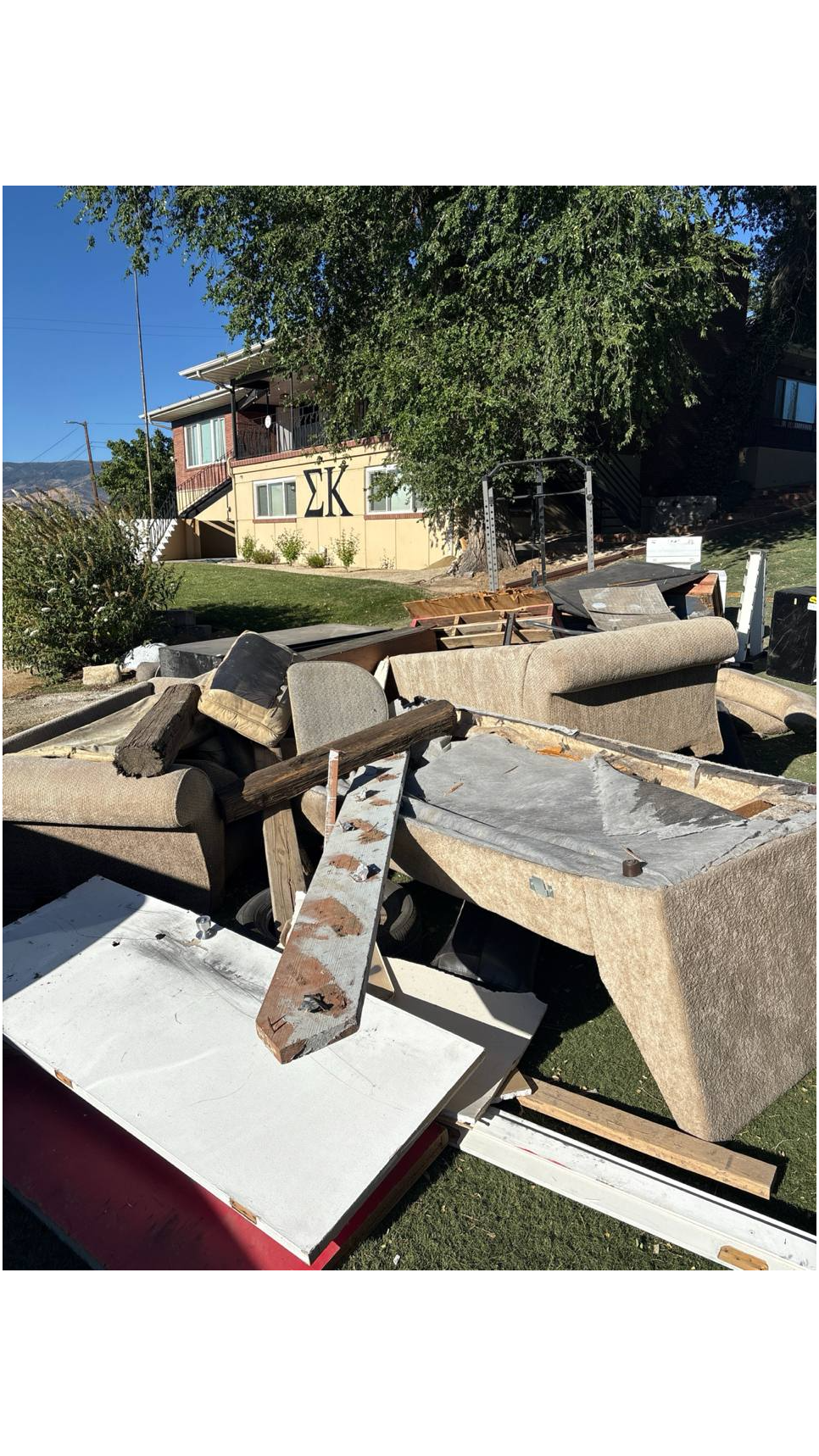
Scattered materials, improperly stored supplies, and accumulated waste create obstacles that workers must navigate daily. These seemingly minor inconveniences become major safety threats when combined with the fast-paced, high-pressure environment typical of construction projects. Professional construction debris removal services like Junk King Reno work with contractors to address these hazards before they result in costly incidents. For example, Junk King Reno offers full-service debris removal, dumpster bag pickup, as well as dumpster rentals with quick swap out providing fresh dumpsters to keep job sites clear and to keep projects moving on schedule for construction contractors.
The ripple effects of debris-related injuries extend far beyond immediate medical costs. Project delays, equipment damage, and increased insurance premiums compound the financial impact, while damaged reputations can affect future contract opportunities. Smart contractors recognize that proactive debris removal represents an investment in both safety and profitability.
Most Common Debris-Related Injuries on Job Sites
1. Slips, Trips, and Falls From Scattered Materials
Slips, trips, and falls represent the most frequent type of construction site accident, often caused by materials left in walkways, uneven surfaces created by debris buildup, and inadequate lighting around waste areas. Workers carrying tools or materials face particular risk when moving around scattered lumber, loose nails, and construction remnants that create unstable footing.
These accidents frequently occur during shift changes when workers rush to complete tasks or when weather conditions make surfaces slippery. The combination of wet debris and smooth surfaces becomes especially dangerous, turning routine movement into potential disaster. Proper debris containment and regular cleanup schedules significantly reduce these incident rates.
2. Puncture Wounds and Cuts From Sharp Objects
Sharp objects embedded in debris piles create serious injury risks for construction workers. Exposed rebar, jagged metal pieces, broken glass, and protruding nails can cause deep puncture wounds that require immediate medical attention and potential tetanus treatment. These injuries often occur when workers reach into debris containers or step on concealed sharp objects.
The infection risk associated with puncture wounds from construction debris poses additional health concerns. Contaminated materials can introduce bacteria directly into wounds, leading to complications that extend recovery time and increase medical costs. Proper sorting and containment of sharp materials prevents these preventable injuries.
3. Fire Hazards From Accumulated Flammable Materials
Accumulated flammable construction debris creates significant fire risks that can devastate entire job sites within minutes. Materials such as wood scraps, insulation and packaging materials become dangerous when stored improperly or allowed to accumulate in large quantities near heat sources or electrical equipment.
Fire incidents caused by debris not only threaten worker safety but can destroy expensive equipment, completed work, and neighboring structures. The financial losses from fire damage often exceed insurance coverage limits, making prevention through proper debris management vital for project viability.
OSHA Requirements for Construction Site Debris Management
Federal Standards for Clean Workplaces
OSHA’s construction standards explicitly require employers to maintain clean and orderly workplaces free from recognized hazards. Section 1926.25 mandates that construction sites implement housekeeping practices that prevent accumulation of debris in work areas, walking surfaces, and emergency exits. These federal requirements apply to all construction projects regardless of size or duration.
The regulations extend beyond simple cleanliness to include safety planning. Employers must establish protocols for regular debris removal, designate appropriate storage areas, and ensure that waste materials don’t interfere with normal operations or emergency procedures. Compliance requires ongoing attention rather than end-of-project cleanup.
Material Handling and Storage Guidelines
OSHA’s material handling standards specify requirements for storing construction materials and debris to prevent worker injury. Materials must be stacked securely, with proper clearance from walkways and work areas. Heavy items require ground-level storage or appropriate structural support to prevent collapse or falling hazards.
The guidelines also address container selection and placement for different types of waste. Separate containers for sharp objects, flammable materials, and general debris help workers sort materials safely while reducing cross-contamination risks. Proper labeling and strategic placement ensure that containers remain accessible without creating new hazards.
Penalties for Non-Compliance
OSHA can levy significant fines for housekeeping and debris violations — serious citations currently carry per-violation penalties in the tens of thousands of dollars, while willful or repeat violations can reach six figures. When multiple violations are cited in a single inspection, those costs multiply fast.
Beyond monetary fines, OSHA can issue stop-work orders that halt project progress until compliance is achieved. The combination of penalty payments, lost productivity, and remediation costs often exceeds the expense of implementing proper debris management from the project’s beginning.
Financial Impact Beyond Medical Costs
Equipment Damage and Repair Expenses
Construction equipment suffers significant damage when operating in debris-cluttered environments. Sharp objects puncture tires, metal scraps damage hydraulic systems, and scattered materials cause mechanical failures that require expensive repairs. Heavy machinery forced to move around debris piles experiences accelerated wear and increased maintenance needs.
The replacement costs for damaged equipment can halt project progress while contractors source alternative machinery. Rental equipment becomes necessary to maintain schedules, adding unexpected expenses to project budgets. These cascading costs often dwarf the investment required for professional debris removal services.
Project Delays and Lost Productivity
Debris accumulation creates bottlenecks that slow project completion and reduce worker productivity. Teams waste valuable time moving around obstacles, searching for tools among scattered materials, and waiting for debris removal before beginning new tasks. These delays compound throughout the project timeline, pushing completion dates beyond contracted deadlines.
Late completion penalties and extended labor costs can transform profitable projects into financial losses. Client relationships suffer when debris-related delays prevent timely occupancy or use of completed facilities. The reputation damage from missed deadlines affects future bidding opportunities and contract negotiations.
Insurance Premium Increases
Insurance providers closely monitor contractor safety records when determining premium rates for workers’ compensation and general liability coverage. Claims related to debris management failures signal higher risk exposure, prompting insurers to increase rates or modify coverage terms. Multiple incidents can result in policy cancellation or inability to secure coverage.
The long-term financial impact of increased insurance costs affects business profitability for years following safety incidents. Contractors with poor debris management records face competitive disadvantages when bidding against companies with clean safety histories and lower insurance expenses.
Proven Strategies for Effective Debris Control
1. Designated Waste Collection Areas
Establishing clearly marked waste collection areas prevents debris from accumulating in work zones and high-traffic areas. These designated zones should feature appropriate container types for different materials, adequate space for safe maneuvering, and easy access for removal vehicles. Strategic placement near material delivery points reduces the distance workers must carry waste.
Effective collection areas include separate containers for recyclable materials, general construction waste, and any items requiring special disposal. Clear signage and worker training ensure proper sorting while reducing contamination that can increase disposal costs.
2. Regular Scheduled Cleanups
Implementing daily cleanup schedules prevents debris accumulation from reaching dangerous levels. End-of-shift cleanups remove daily waste generation while weekly deep cleaning addresses areas that accumulate materials gradually. Regular schedules create accountability and ensure that construction debris removal remains a consistent priority.
Scheduled cleanups also provide opportunities to inspect work areas for developing hazards and address problems before they cause accidents. The predictable timing allows workers to plan activities around cleanup schedules, maximizing efficiency while maintaining safety standards.
3. Clear Emergency Exit Pathways
Maintaining unobstructed emergency exit routes requires constant attention to debris accumulation near doors, stairways, and designated evacuation areas. These pathways must remain clearly marked and completely free from materials that could impede rapid evacuation during emergencies. Regular inspection ensures ongoing compliance with safety requirements.
Emergency pathway maintenance extends beyond debris removal to include proper lighting, clear signage, and adequate width for emergency personnel access. These areas require priority attention during cleanup activities to ensure worker safety in crisis situations.
4. Professional Debris Removal Partnerships
Partnering with professional debris removal services eliminates the burden of debris handling from construction crews while ensuring proper disposal and regulatory compliance. These partnerships provide reliable pickup schedules, appropriate container sizing, and expertise in handling specialized materials that require careful disposal methods.
Professional services also offer recycling programs that can reduce disposal costs while supporting environmental sustainability goals. The expertise and equipment provided by debris removal professionals often prove more cost-effective than attempting debris management with internal resources.
Environmental Compliance and Recycling Requirements
Nevada C&D Waste Regulations
Nevada contractors are subject to state and local waste management requirements that govern how construction debris is sorted, transported, and disposed of. Maintaining proper documentation — including load tickets and disposal records — is essential for inspections and project closeout. For regulated or hazardous materials, contractors should coordinate with a licensed handler or contact the Nevada Division of Environmental Protection directly.
These regulations also address dust control, groundwater protection, and air quality standards related to construction waste handling. Contractors must implement best management practices to prevent environmental contamination while managing construction debris removal activities.
Landfill Diversion Mandates
Local jurisdictions increasingly require contractors to divert construction waste from landfills through recycling and reuse programs. These mandates typically specify minimum diversion percentages and require documentation proving compliance through approved recycling facilities. Non-compliance can result in permit denial for future projects.
Diversion requirements create opportunities for cost savings through material recovery and recycling credits. Contractors who exceed minimum diversion rates often qualify for expedited permitting and other incentives that provide competitive advantages in the bidding process.
Professional Debris Removal Eliminates Safety Risks While Ensuring Regulatory Compliance
Professional debris removal services help improve construction site safety by reducing hazards, costs, and compliance challenges associated with improper waste management. These solutions address everything from daily cleanup schedules to specialized material handling, allowing contractors to focus on core construction activities while maintaining the highest safety standards.
The investment in professional construction debris removal services pays dividends through reduced injury rates, improved productivity, and regulatory compliance. Contractors who prioritize proper waste management create safer work environments, protect their financial interests, and build reputations for quality and safety that drive long-term business success.
For Reno contractors, staying ahead of debris buildup isn’t just about cleanliness — it’s about protecting workers, avoiding costly OSHA citations, and keeping projects moving on schedule. Whether you handle removal in-house or bring in a professional crew, the key is consistency: scheduled pickups, designated waste zones, and a team that knows what goes where.
Junk King Reno
+1 775 624 9112
3445 Airway Dr
Suite C
Reno
Nevada
89511
United States