

Key Takeaways
- Springs, cables, rollers, tracks, sensors, and opener parts account for most shared garage door failures in HOA communities
- A visible gap in a spring coil or a door that will not rise evenly often signals weakened tension that needs professional attention
- Frayed cables, seized rollers, and misaligned tracks can turn a minor repair into a crooked, jammed door if left unaddressed
- Dirty or shifted safety sensors are a common reason a door refuses to close, even when nothing else looks wrong
- DoorsEZ explains that routine turnover inspections checking springs, cables, rollers, tracks, and the opener can catch wear before residents are ever affected – read more of their expert insights below
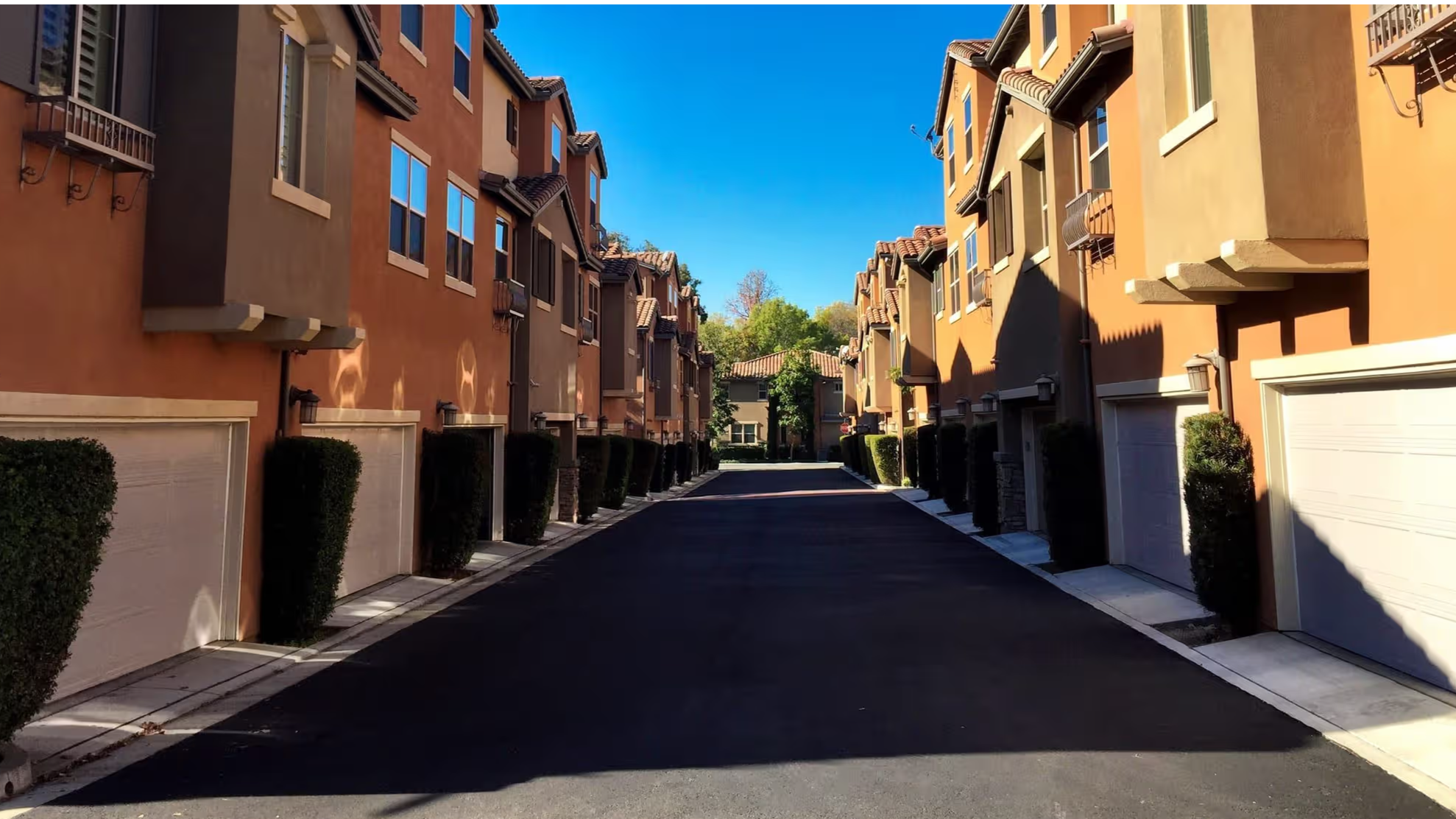
Shared garage doors in HOA communities get used constantly, by multiple residents, multiple vehicles, and sometimes multiple remotes per unit. That kind of daily wear eventually catches up with the hardware, and when it does, the failure almost always traces back to one of a handful of predictable parts.
Understanding what tends to break, and why, gives property managers a head start on scheduling repairs before a small issue turns into a safety concern or a bigger invoice.
Six Parts Behind Most Failures
Most garage door problems in multifamily and HOA settings come down to six components: springs, cables, rollers, tracks, sensors, and opener parts. Each one plays a specific role in lifting, guiding, or controlling the door, and each wears down differently depending on use, weather, and how well the door has been maintained.
Springs bear the actual weight of the door and lose tension through repeated cycling. Cables keep the door traveling evenly on both sides, while rollers let it glide along the tracks without grinding. Tracks themselves can shift out of alignment after an impact or years of temperature swings, sensors watch for anything blocking the door’s path, and the opener ties every part together electronically. When one of these fails, the others often take on extra strain, which is why a small roller problem left alone can eventually damage a track or overwork an opener motor.
How Worn Springs Put Doors At Risk
Springs carry nearly the entire weight of a garage door, which makes them one of the first parts to show stress after years of daily opening and closing. A door that suddenly feels heavier than usual, rises unevenly, or will not lift all the way often points to a spring that has lost its tension.
Warning signs: gaps, rust, uneven lift
A visible gap in the coil of a spring is one of the clearest signs that it has broken or is close to failing. Rust buildup is another red flag, since it adds friction and can weaken the spring wire over time. A simple halfway balance check can also reveal trouble: if the door drops or rises instead of holding roughly in place, the spring tension is likely off and needs attention.
Why spring handling is not a DIY job
Garage door springs stay under heavy tension even when the door is closed, and that tension does not disappear just because a spring looks worn or cracked. Attempting to adjust or replace a spring without the right training and tools carries real injury risk, which is why this repair is best left to a trained technician rather than a maintenance team working on the fly.
Cables And Rollers Under Strain
Cables and rollers work together to keep a garage door moving smoothly and evenly along its tracks. When either one starts to fail, the door usually shows it through its movement long before a full breakdown happens.
Frayed or slack cables signal trouble
Cables that look frayed, rusty, or slack are early warning signs worth taking seriously. A cable can fray near the bottom bracket, where moisture tends to collect, or it can unwind unevenly from its drum after the door strikes an obstruction or the track slips out of alignment. Once a single cable fails, the door often ends up crooked and jammed, since one side is no longer supported the way it should be.
Seized rollers cause rough, jerky movement
Rollers with seized bearings or flat spots stop rolling smoothly and start dragging instead, which shows up as rough or jerky movement every time the door opens or closes. That extra friction puts strain on the rest of the system, and worn rollers can damage the track surface or jump the track entirely. Continuing to run a door that is visibly off track or crooked tends to make the damage worse rather than better.
Tracks, Sensors, And Opener Trouble
Tracks, sensors, and openers each handle a different job, but trouble in any one of them can stop a garage door from working the way it should, sometimes without an obvious cause at first glance.
Misalignment, impact, and rust in the tracks
Tracks can bend or shift after an impact, settle slightly as a building ages, or warp with repeated temperature cycling. Loose brackets and rust buildup can also interfere with smooth travel, even when the rest of the door looks fine. A door that binds at the same spot every time, moves unevenly, or produces grinding or squealing sounds is often telling a story about its tracks.
Dirty or shifted sensors stop safe closing
Safety sensors are designed to stop the door from closing on an obstruction, but they can only do that job if they stay clean and properly aligned. A sensor that shifts position, picks up a layer of dirt, or suffers physical damage can prevent the door from closing at all, even when there is nothing actually in the way. Before assuming a bigger problem, it helps to check for visible obstructions along the door’s path and tracks, along with obvious wear at the rollers and hinges.
Dead batteries, worn gears, and erratic openers
Opener trouble often looks less dramatic but can be just as disruptive. Dead remote batteries, electrical issues, and worn gears inside the opener can all leave a door unresponsive or moving erratically. When a spring weakens or rollers start to bind, the opener has to work harder just to move the door, which adds strain to its motor and drive gear over time and can shorten its working life.
Reading The Warning Signs Early
Most garage door failures do not happen without warning. The door usually signals trouble well before it stops working completely, which gives property managers a real window to arrange an inspection before residents are affected.
Uneven movement, grinding, and binding points
A door that stops partway through its cycle, closes and then reopens on its own, or grinds and squeals at certain points is flagging a problem somewhere in the system. That could be a sensor issue, an obstruction, a travel-limit setting, a spring, a roller, or loose hardware. The pattern of the noise or movement often narrows down where to look first.
When to stop using the door
Certain signs call for pausing use of the door entirely rather than continuing to operate it. Visible fraying on a cable, a loose cable hanging free, a crooked door, or clearly uneven travel are all reasons to stop and schedule an inspection. If a door is off track, hanging unevenly, or will not close, it helps to keep people and vehicles clear of the area and avoid pulling on cables or forcing the door back into place by hand, since that can turn a repairable issue into a more serious one.
How Inspections Protect HOA Doors
Regular inspections catch the kind of gradual wear described above before it turns into an unsafe or more expensive repair. For HOA and multifamily properties, building that inspection into regular turnover work is one of the more efficient ways to stay ahead of failures across an entire portfolio.
What a turnover check covers
A turnover inspection typically checks the springs, cables, rollers, tracks, and opener as a set, rather than looking at each part in isolation. Old remote and keypad codes get cleared so a previous resident’s access no longer works, and a reverse test confirms the opener responds correctly to an obstruction. A visual cable inspection, a balance check, lubrication of moving parts, and tightening hardware at brackets, drums, and tracks round out a thorough visit.
Written pricing and work-order tracking for managers
A technician checks springs, cables, rollers, tracks, and the opener during turnover work, clears old access codes, and runs a reverse test, with a written price provided before any repair work begins. The visit also records whether a serviced opener has a battery backup, which gives property managers a clearer picture for planning upgrades, and work stops for approval if a repair would exceed a property’s not-to-exceed amount. Work orders are tracked online as well, so an office can check the status of a job without having to call around for an update.
Catching Wear Before It Becomes Unsafe
Garage doors rarely fail without some kind of warning first. Watching for uneven movement, unusual noise, visible rust or fraying, and sensors that misbehave gives property managers a practical way to catch problems while they are still minor and inexpensive to fix.
Building a routine inspection into turnover work, rather than waiting for a resident complaint, tends to be the difference between a quick repair and a drawn-out one. For HOA communities managing dozens of shared doors across multiple buildings, DoorsEZ has more resources explaining why that kind of proactive garage door maintenance keeps small issues from turning into safety hazards or larger repair bills down the line.
DoorsEZ
hello@doorsez.com
+1 833 366 7739
2500 West Orangethorpe Avenue
Suite 120
Fullerton
CA
92833
United States