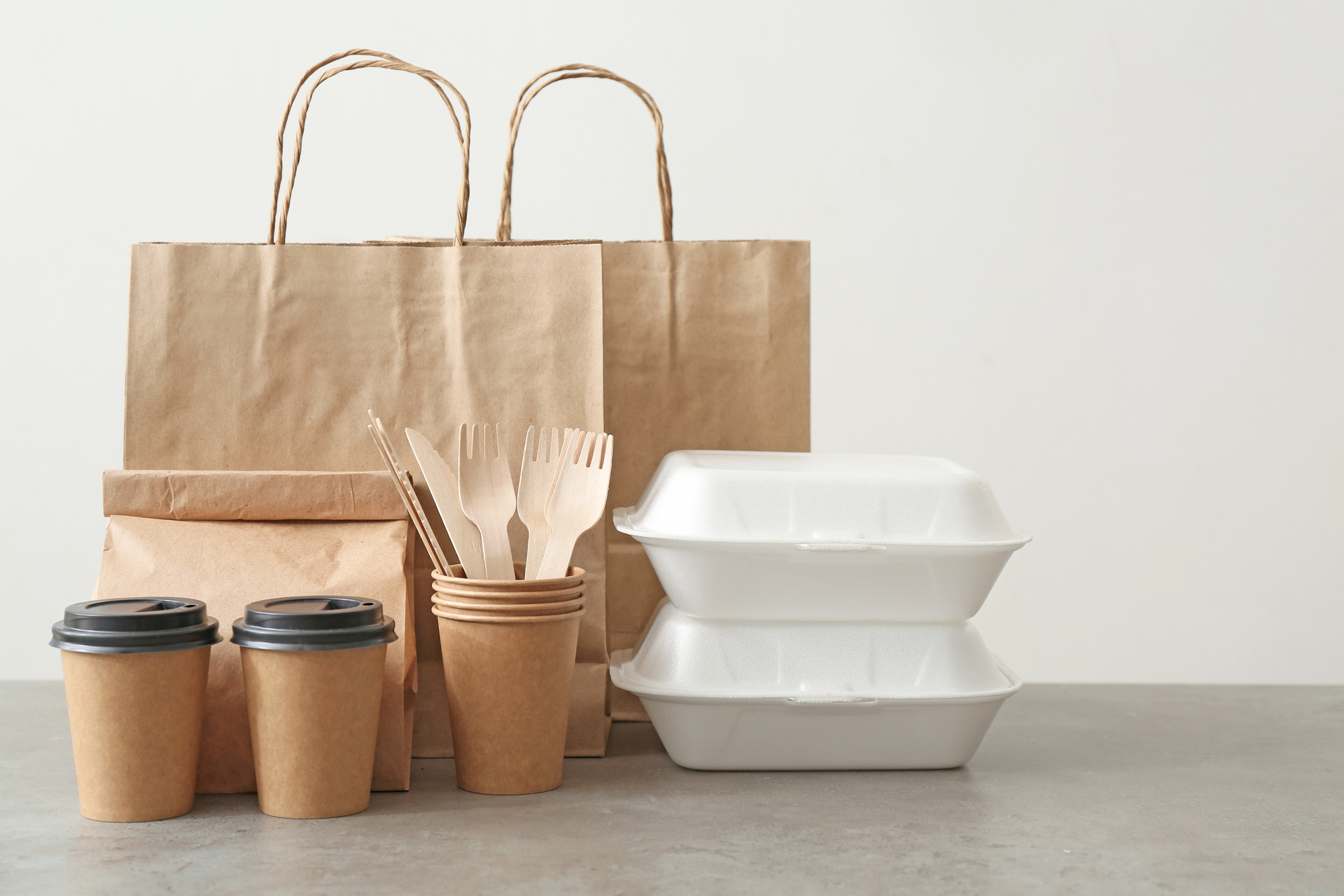
BATON ROUGE, LA, UNITED STATES, November 27, 2026 /EINPresswire.com/ — Disposable food containers are manufactured in numerous configurations, including hinged designs with attached lids and containers that require separate lids. Although both approaches are used to package prepared foods, their structural characteristics can influence filling, storage, closure performance, and handling during takeout and delivery.
Schneider Paper Products, based in Baton Rouge, Louisiana, is examining the differences between hinged food containers and separate-lid packaging systems, including how each design functions in foodservice environments.
Hinged containers incorporate a connection between the lid and base, allowing the two sections to open and close as a single assembly. Separate-lid containers consist of individual components that must be matched and assembled during packaging.
Neither design is universally appropriate for every food product.
Understanding Hinged Container Construction
A hinged food container typically includes a base, lid, and connecting hinge. In many disposable designs, the hinge is formed from the same material as the container.
Plastic clamshells, molded-fiber containers, and certain paperboard packages use this approach. The hinge allows the lid to remain attached while the container is opened or closed.
Depending on the design, the lid may be secured through locking tabs, molded catches, or other closure features.
The performance of the hinge and closure depends on the material, geometry, and intended application.
Separate-Lid Packaging Systems
Containers with separate lids use two independent components. The base holds the food, while the lid is attached after filling.
Separate lids may snap onto a rim, fit over the container, or engage through another closure mechanism. This arrangement is common in certain deli containers, bowls, cups, and prepared-meal packaging systems.
The lid must be compatible with the container’s dimensions and design. An incorrect lid may not engage properly, potentially affecting containment during handling.
“Both hinged containers and separate-lid designs have practical applications in foodservice,” said Destin Pizer, owner of Schneider Paper Products in Baton Rouge, Louisiana. “The difference is not simply whether the lid stays attached. The design can affect storage, food preparation, closure engagement, and how the package performs during handling.”
Assembly and Food Preparation
Hinged containers can simplify certain packing procedures because the lid and base are already connected. The person filling the container does not need to locate a separate matching lid.
However, the open lid occupies space and may influence how containers are arranged on a preparation counter.
Separate-lid packaging allows bases and lids to be handled independently. This can be useful in applications where food is prepared or displayed in an open container before closure.
The appropriate arrangement depends on the foodservice workflow.
Storage and Inventory Considerations
Packaging configuration can influence storage requirements. Some hinged containers nest together, while others occupy more space because of their shape.
Separate-lid systems may allow bases and lids to be stacked independently. However, both components must be available in compatible quantities.
Storage efficiency depends on the specific package dimensions, nesting characteristics, and case configuration. The presence of a hinge does not automatically determine which design occupies less storage space.
Closure Performance and Spill Resistance
Both hinged and separate-lid containers can use closure mechanisms designed to resist accidental opening. The effectiveness of these mechanisms depends on their construction.
Some separate-lid systems are designed for liquid foods, while certain hinged clamshells are intended primarily for solid meals.
However, the presence or absence of a hinge does not independently establish leak resistance. A container must be evaluated according to its complete design and intended contents.
Material Selection and Temperature
Hinged and separate-lid containers are available in different materials. Plastic, paperboard, and molded fiber can each provide particular characteristics.
The material influences heat tolerance, stiffness, moisture resistance, and food-contact suitability.
Certain hinged plastic designs use flexible hinge sections that must withstand repeated opening and closing during normal use. Separate-lid systems may use different materials for the base and lid, provided the combination is suitable for the application.
Customer Handling and Reclosure
The way customers open and close packaging can differ between the two designs.
A hinged lid remains connected to the base, reducing the possibility of the lid becoming separated during use.
A separate lid can be removed completely. This may provide unobstructed access to the food but also requires the lid to be stored or handled independently.
Reclosure performance depends on the packaging design and condition after opening. Not all disposable containers are intended for repeated use.
Stacking and Transportation
Both packaging systems may be designed to support stacking during storage or transportation. Stacking performance depends on container geometry, lid stiffness, load distribution, and the weight of the contents.
Some lids include raised or recessed features that help position stacked containers. Others are not intended to carry additional filled packages.
Hinged construction alone does not determine stacking capacity.
Environmental and Material Considerations
Packaging material usage can differ between hinged and separate-lid designs. An integrated hinge may reduce the number of separate pieces but does not necessarily reduce total material consumption.
Separate-lid systems may use different materials or thicknesses for their components.
Recyclability and compostability depend on material composition, coatings, contamination, local collection systems, and applicable processing requirements.
Neither configuration should automatically be considered environmentally preferable without examining those factors.
Selecting Packaging for Intended Use
The choice between hinged and separate-lid containers depends on food characteristics, filling procedures, storage conditions, and transportation requirements.
Solid meals, liquids, hot foods, and cold foods may require different packaging features. The most relevant considerations involve material suitability, closure performance, and practical handling.
Understanding the differences between these configurations helps explain how disposable food container design responds to the varied requirements of foodservice operations.
Morgan Thomas
Rhino Digital, LLC
+1 504-875-5036
email us here
Visit us on social media:
Facebook
Legal Disclaimer:
EIN Presswire provides this news content “as is” without warranty of any kind. We do not accept any responsibility or liability
for the accuracy, content, images, videos, licenses, completeness, legality, or reliability of the information contained in this
article. If you have any complaints or copyright issues related to this article, kindly contact the author above.

Media gallery