Understanding Secondary Combustion and Airflow in Modern Smokeless Fire Pits
Cape Town, South Africa – March 10, 2026 / Helios Fire Smokeless Firepits /
Helios Fire Explains What ‘Smokeless’ Really Means in a Smokeless Fire Pit
The term “smokeless” has become one of the most searched phrases in outdoor heating — particularly when paired with smokeless fire pit South Africa.
From backyard braais to coastal camping trips, South Africans are increasingly seeking cleaner, more comfortable fire experiences. But what does “smokeless” actually mean? Does it mean zero smoke? Does it work immediately? And what makes one smokeless fire pit perform better than another?
Helios Fire, a Cape Town-based manufacturer of precision-engineered fire pits, is addressing these questions directly. In a detailed explanation of airflow design and secondary combustion principles, Helios Fire clarifies why a smokeless fire pit does not mean smoke-free from the first match strike — and what buyers should realistically expect.
This third-person explainer unpacks the science behind secondary burn systems, highlights proper wood choice and setup, and outlines practical safety considerations for South African users.
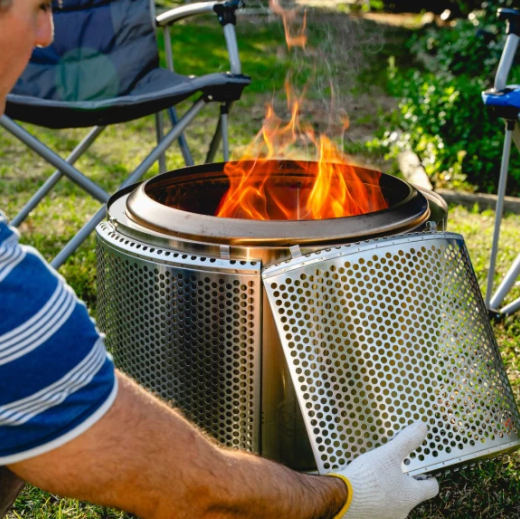
Helios Fire on Why ‘Smokeless’ Does Not Mean ‘Zero Smoke’
The phrase “smokeless fire pit South Africa” often leads buyers to expect absolutely no visible smoke at any stage of use.
Helios Fire clarifies that this expectation misunderstands how combustion works.
When lighting any wood fire, initial smoke is inevitable. During the ignition phase, wood heats up and begins releasing moisture and volatile gases. Until the fire reaches optimal combustion temperature, those gases do not burn completely — which creates visible smoke.
A smokeless fire pit does not eliminate this phase. Instead, it is engineered to reduce and reburn smoke once the fire is established.
Helios Fire explains that after a short warm-up period, the airflow design within a properly constructed low smoke fire pit begins activating secondary combustion. This is when the performance difference becomes visible.
Helios Fire Explains How Secondary Combustion Works
At the heart of a smokeless fire pit is airflow design.
Helios Fire on Primary and Secondary Airflow Channels
A standard open fire draws air from the bottom and sides. Oxygen feeds the flame, but smoke escapes upward unburned.
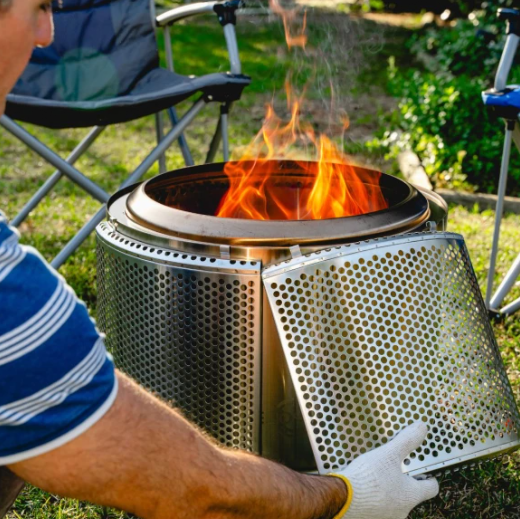
In a Helios Fire smokeless fire pit, air is drawn in through lower intake vents. This air travels between the double walls of the unit, where it heats up before re-entering the burn chamber through upper interior vents.
This process introduces preheated oxygen into the top of the flame.
When smoke particles rise from burning wood, they encounter this stream of hot oxygen. Instead of escaping as visible smoke, many of these particles ignite a second time. This is known as secondary combustion.
The result is a cleaner, more efficient burn and significantly reduced visible smoke once the system reaches temperature.
Helios Fire on the Visual Effect of Secondary Burn
Secondary combustion is often visible as jets or flickers of flame emerging near the upper interior rim of the fire pit.
Helios Fire notes that this effect is not decorative — it is functional. It represents unburned gases being re-ignited before they can escape.
The cleaner burn produces less ash and fewer lingering smoke plumes compared to traditional open fire pits.
Helios Fire on What Buyers Should Look for in a Smokeless Fire Pit South Africa
Not all smokeless fire pit designs are equal.
Helios Fire advises buyers to consider airflow engineering, material quality, and structural design before purchasing.
Helios Fire on Airflow Design Integrity
The effectiveness of a low smoke fire pit depends on precise vent placement and air channel spacing.
Poorly designed systems may allow insufficient airflow, which weakens secondary combustion. Overly large vents may disrupt internal draft balance.
Helios Fire’s smokeless fire pit collection is engineered with calculated airflow pathways to maximise combustion efficiency.
Buyers are encouraged to compare structural detail rather than focusing solely on appearance.
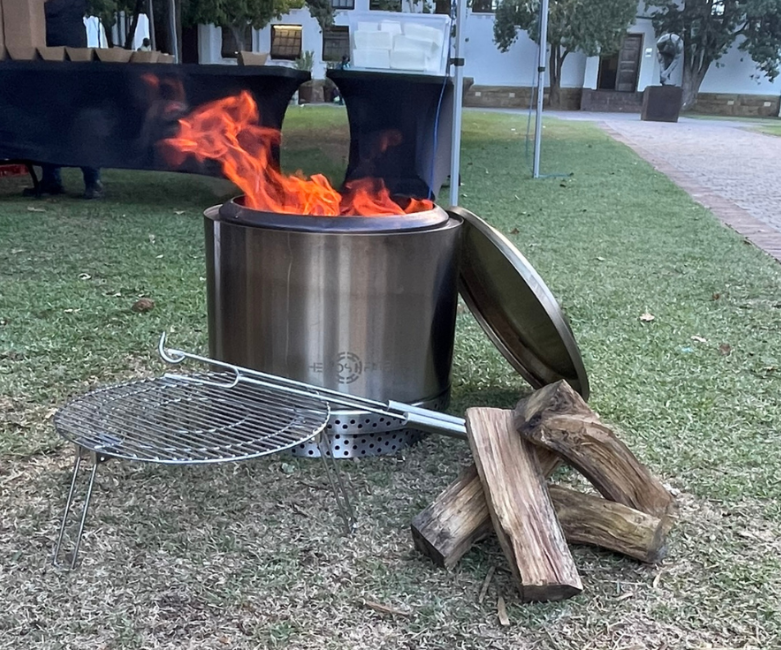
Helios Fire on Material Durability in South African Conditions
South Africa’s coastal and inland environments demand durable materials.
Marine-grade stainless steel resists corrosion in coastal regions such as Cape Town. Properly finished steel maintains structural integrity through repeated heating and cooling cycles.
Helios Fire designs its units with climate durability in mind, ensuring consistent performance across different regions.
Helios Fire on Wood Choice and Why It Matters
Even the best smokeless fire pit South Africa can perform poorly if wood selection is incorrect.
Helios Fire on Dry Wood and Moisture Content
Wood should be properly seasoned, ideally with moisture content below 20%.
Wet or green wood releases excess steam as it burns. This creates thick smoke that overwhelms secondary combustion systems.
Helios Fire emphasises that dry hardwood produces cleaner flames, stronger heat output, and optimal low smoke performance.
Helios Fire on Wood Size and Stacking
Log size also affects airflow.
Overloading the fire pit or stacking logs too tightly restricts oxygen flow. Proper stacking allows air to circulate between pieces, encouraging complete combustion.
Helios Fire’s “how to light” guide outlines step-by-step stacking techniques to achieve consistent ignition and reduce smoke during startup.
Helios Fire on Why Some Smoke Happens at the Start
A common question in Helios Fire’s FAQs is why smoke appears when first lighting the fire.
The answer lies in combustion physics.
Before the fire pit reaches internal operating temperature, the secondary combustion chamber is not yet hot enough to re-ignite smoke particles effectively.
This startup phase may last several minutes depending on wood type and environmental conditions.
Once the fire stabilises and internal airflow heats sufficiently, visible smoke reduces significantly.
Helios Fire encourages users to allow the system time to perform rather than judging performance within the first few minutes.
Helios Fire on Wind and Environmental Factors
Outdoor fire performance is influenced by wind direction and strength.
Helios Fire on Wind Disruption
Strong crosswinds can disturb airflow balance inside the burn chamber.
While the smokeless fire pit design helps stabilise combustion, excessive gusts may temporarily increase visible smoke.
Helios Fire recommends positioning the unit in a relatively sheltered location for optimal performance.
Helios Fire on Safety Reminders for Smokeless Fire Pit Use
Cleaner combustion does not remove the need for safety precautions.
Helios Fire on Spark Arrestor and Accessory Use
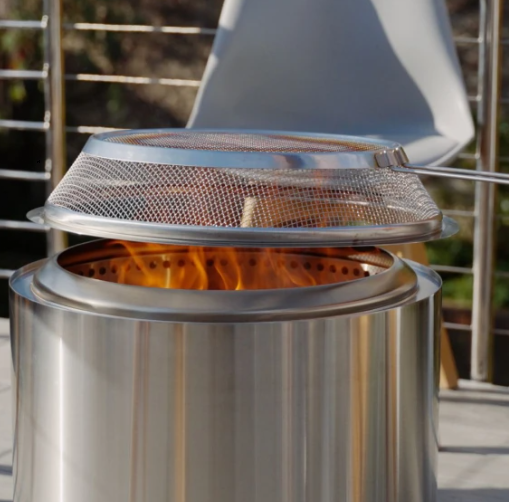
Helios Fire offers accessories such as spark arrestor shields, lids, and protective covers.
Spark arrestor components reduce the risk of stray embers escaping during active burns. Lids can safely extinguish flames by cutting off oxygen supply. Covers protect the unit from weather exposure when not in use.
Helios Fire’s safety checklist outlines recommended clearance distances and usage guidelines.
Helios Fire on Safe Surface Placement
A smokeless fire pit should be placed on stable, non-flammable surfaces.
When used on wooden or composite decking, a manufacturer-approved base or stand should be used to create airflow beneath the unit.
Helios Fire emphasises reviewing surface compatibility before ignition.
Helios Fire on Realistic Expectations for Smokeless Fire Pit South Africa Buyers
Understanding how a smokeless fire pit works prevents disappointment.
A smokeless fire pit reduces smoke significantly once combustion stabilises. It does not eliminate physics. Wet wood, improper stacking, blocked vents, or strong wind can compromise performance.
When used correctly with dry wood and proper airflow, the system delivers a noticeably cleaner fire experience.
Helios Fire encourages buyers to read its FAQs, consult the how to light guide, and review the safety checklist before first use.
Understanding ‘Smokeless’ Protects Performance
The phrase smokeless fire pit South Africa reflects growing demand for cleaner outdoor heating.
Helios Fire explains that “smokeless” refers to engineered secondary combustion and reduced visible smoke after ignition — not an instant smoke-free experience.
Airflow design, wood choice, environmental setup, and proper lighting technique all influence results.
By understanding how secondary combustion works and selecting well-designed systems from the Helios Fire smokeless fire pit collection, South African buyers can enjoy lower smoke, stronger heat efficiency, and a more comfortable outdoor fire experience.
For further guidance Helios Fire directs customers to explore its collection category, FAQs, how to light guide, safety checklist, and accessory range including spark arrestor, lid, and cover options.
Cleaner fires begin with informed choices.

Contact Information:
Helios Fire Smokeless Firepits
12 Milner Street Paarden Eiland
Cape Town, Western Cape 7420
South Africa
Jodie Hearne
+27 21 300 7299
https://heliosfire.com/

Original Source: https://heliosfire.com/page/media-room#/media-room