
Key Takeaways
- The HLTH Band 1.0 is a legitimate screenless health tracker that delivers on its core promises of subscription-free monitoring and 30-day battery life.
- Real customer experiences highlight exceptional battery performance and distraction-free tracking, though some users report occasional software connectivity issues.
- Unlike many competitors, the device operates without monthly fees, making it cost-effective for long-term health monitoring.
- The tracker excels at passive health monitoring but may not satisfy users seeking real-time data display or intense athletic performance metrics.
- Independent reviews validate the company’s transparent marketing approach, positioning it as a wellness tool rather than a medical device.
The wearable technology market has reached a crossroads where consumers increasingly question whether their health trackers deliver genuine value or simply add more digital noise to daily life. As subscription fees pile up and battery anxiety becomes commonplace, a growing segment of users seeks something fundamentally different: devices that monitor health quietly without demanding constant attention or ongoing payments.
Real Customer Experiences Reveal Promising Results
Verified customer reviews across independent platforms paint a positive picture of the HLTH Band 1.0’s real-world performance. Trustpilot reviews consistently highlight the device’s ability to deliver on its core value proposition while revealing areas where expectations may not align with reality.
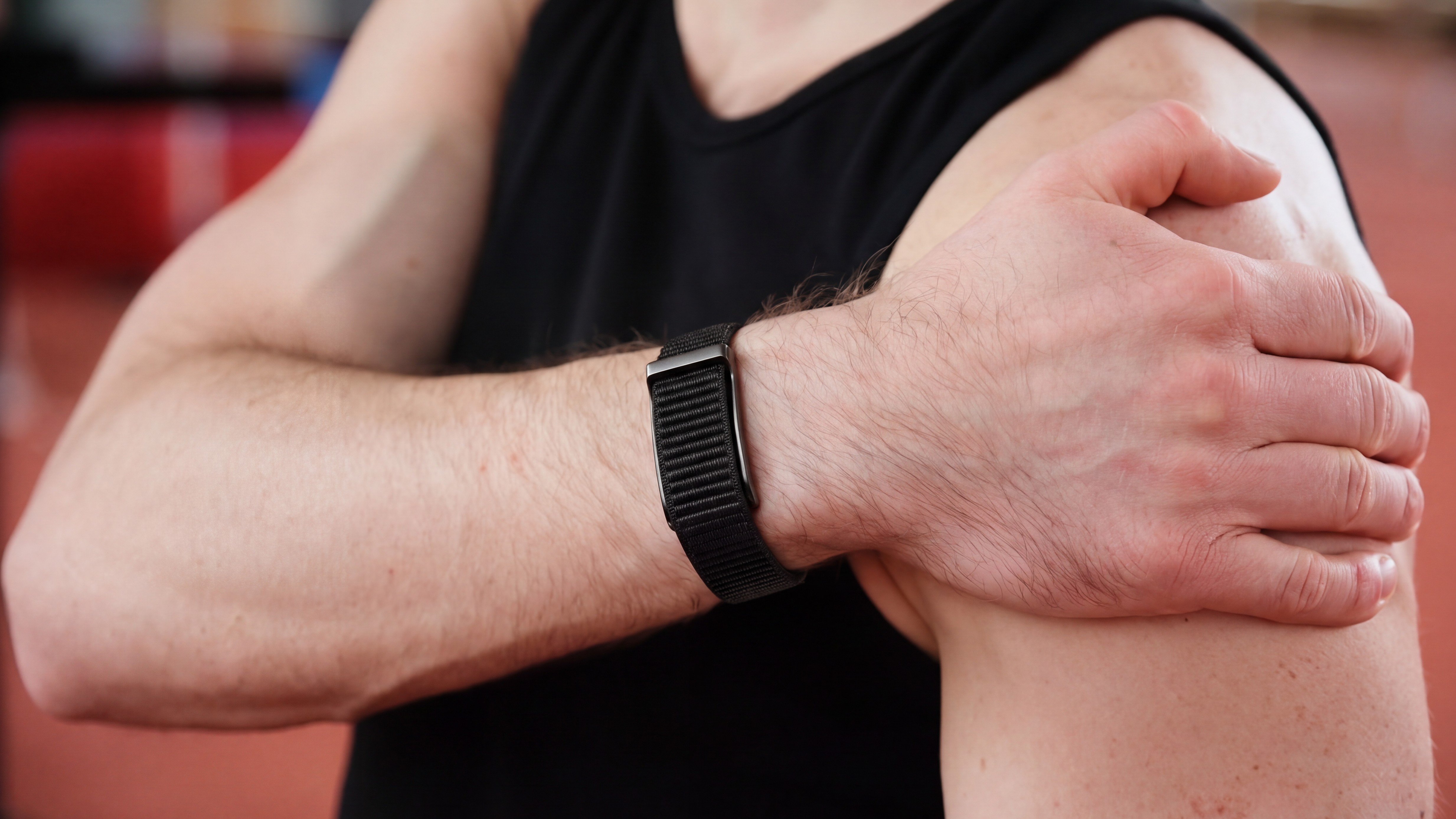
Users frequently praise the comfortable, screenless design that allows for continuous 24/7 wear without the typical smartwatch bulk. Sleep tracking receives particularly positive feedback, with customers noting how the device captures detailed sleep stages and recovery metrics without the discomfort often associated with wrist-worn trackers during rest periods.
The metabolic health focus resonates strongly with users seeking long-term wellness insights rather than minute-by-minute fitness data. HLTH Track’s approach to health monitoring appears to address a genuine market need for consumers overwhelmed by traditional fitness trackers that prioritize activity over overall wellbeing.
Some reviews mention occasional technical challenges, and a small number of customers report frustrating experiences with data syncing and connectivity, though these appear to be isolated incidents.
Does Battery Life Actually Live Up To The 30-Day Promise?
Customer Reports Confirm Marketing Claims
Multiple verified users report battery performance that meets or exceeds the advertised 30-day lifespan, with some noting usage periods extending beyond five weeks on a single charge. This represents a significant advantage over traditional smartwatches that typically require daily or every-other-day charging cycles.
The consistency of these reports across different review platforms suggests the battery claims are realistic rather than optimistic marketing. Users who previously owned Garmin, Apple Watch, or Fitbit devices frequently cite battery life as the primary reason for switching to the HLTH Band 1.0.
How Screenless Design Extends Power Performance
The absence of a display eliminates the largest power drain in traditional wearables. Without constant screen illumination, notification displays, or touch interface power consumption, the device can dedicate its energy entirely to sensor operation and data collection.
This design choice creates a feedback loop of convenience: longer battery life reduces charging frequency, which reduces the likelihood of forgetting to wear the device, which improves data continuity and tracking accuracy over time.
Subscription-Free Model: Marketing Promise vs Reality
The HLTH Band 1.0 delivers on its subscription-free promise for all health tracking functions. Users can access heart rate data, sleep analysis, activity monitoring, and health trends without any recurring payments beyond the initial device purchase.
This represents a genuine competitive advantage in a market increasingly dominated by subscription-dependent devices. When compared to alternatives like the Oura Ring or Whoop Band, the one-time purchase model provides significant long-term cost savings for budget-conscious consumers.
HLTH Band Tracking Accuracy
Reliable for Sleep and Heart Rate Trends
Comparison testing by users who own multiple devices suggests the HLTH Band 1.0 provides reliable trend data for sleep stages, heart rate variability, and resting heart rate measurements. The six optical PPG sensors deliver accuracy levels consistent with other consumer-grade wearables in similar price ranges.
Sleep tracking receives particularly positive accuracy reviews, with users noting detailed stage detection and recovery insights that align with their subjective sleep quality experiences. Heart rate trend accuracy also meets expectations for general wellness monitoring, though precision may vary during specific activities.
Limited Performance for High-Intensity Workouts
Independent reviews consistently note that the HLTH Band 1.0’s tracking accuracy diminishes during high-intensity workouts or activities involving significant arm movement. Users seeking precise heart rate zones for interval training or competitive athletics may find the device insufficient for performance optimization.
However, the company has recently developed a bicep band to improve performance during hardcore workouts.
Company Reputation Based on Independent Reviews
Overwhelmingly Positive Trustpilot Ratings (90% being 4-and 5-star)
HLTH Track maintains generally positive customer ratings on Trustpilot, with most reviews highlighting satisfaction with the product concept and execution. The feedback reveals both strengths and areas for potential improvement in the overall customer experience.
Transparent Marketing Builds Consumer Trust
Industry observers consistently note HLTH Track’s measured approach to product marketing, positioning the device as a wellness tool rather than making exaggerated health claims. This transparent communication style contrasts favorably with competitors that oversell capabilities or promise unrealistic health transformations.
The company’s clear communication about what the device does and doesn’t do helps establish realistic customer expectations, which contributes to higher satisfaction rates among users who understand the product’s intended scope and limitations.
The HLTH Band 1.0 Delivers for Passive Health Monitoring
Real customer experiences validate the HLTH Band 1.0 as a legitimate health tracking solution for users seeking subscription-free, distraction-free monitoring. The device successfully delivers on its core promises of extended battery life, comfortable continuous wear, and health insights without ongoing fees.
While some technical challenges have been reported by a small number of users, the frequency and nature of these issues suggest they may be addressable through future updates rather than fundamental design flaws.
The growing market for screenless wearables reflects broader consumer fatigue with notification-heavy smartwatches and subscription-dependent tracking services. For users who prioritize long-term health trends over real-time data display, the HLTH Band 1.0 represents a credible alternative that aligns with changing consumer preferences toward invisible, background health technology.
The device’s legitimacy is supported by verified customer experiences, realistic marketing claims, and technical specifications that align with established wearable technology standards. While not perfect, it delivers genuine value for its intended audience of wellness-focused users seeking subscription-free health monitoring.
HLTH
info@hlthtrack.com
99 Brands Incorporated 1309 Coffeen Ave, Sheridan
Sheridan
Wyoming
82801
United States


