Blue Ribbon Cleaners Shares Some Great Clothing Alteration Timelines
Youngstown, United States – March 18, 2026 / Blue Ribbon Cleaners /
Blue Ribbon Cleaners Explains What Affects Clothing Alteration Timelines
Summary
Blue Ribbon Cleaners outlines typical clothing alteration timelines, explaining what affects turnaround times and how customers can plan fittings with confidence.
Youngstown, OH – Blue Ribbon Cleaners has released a new guide designed to help customers better understand how long clothing alterations typically take and what factors influence turnaround times. The guide aims to remove the uncertainty many people feel when scheduling alterations, particularly when preparing garments for work, special events, or travel.
Clothing alterations are often necessary to achieve the right fit, but many customers are unsure how much time the process requires. While some people are comfortable waiting for adjustments when there is no immediate deadline, timing becomes far more important when garments are needed for weddings, business functions, or upcoming trips. Blue Ribbon Cleaners notes that rushing the process is not always the best approach, as proper tailoring requires careful attention to detail.
According to the guide, understanding general alteration timelines can eliminate much of the guesswork. When customers have a clearer sense of how the process works, they can plan ahead rather than reacting to last-minute pressure. With realistic expectations in place, the waiting period becomes easier to manage.
Typical Timeframes for Common Alterations
Many customers asking how long alterations take are typically referring to common adjustments such as hems or simple fit corrections. While these services are routine, they still require accurate measuring, preparation, and finishing to ensure a clean and professional result.
Blue Ribbon Cleaners explains that different types of alterations fall into various timing categories depending on the amount of work required behind the scenes. Even small adjustments involve careful handling and precise execution.
Common Alteration Ranges
Most tailoring shops operate within general time windows rather than exact deadlines, especially for routine adjustments. Although each shop manages scheduling differently, these timeframes generally reflect standard industry practices.
Hems
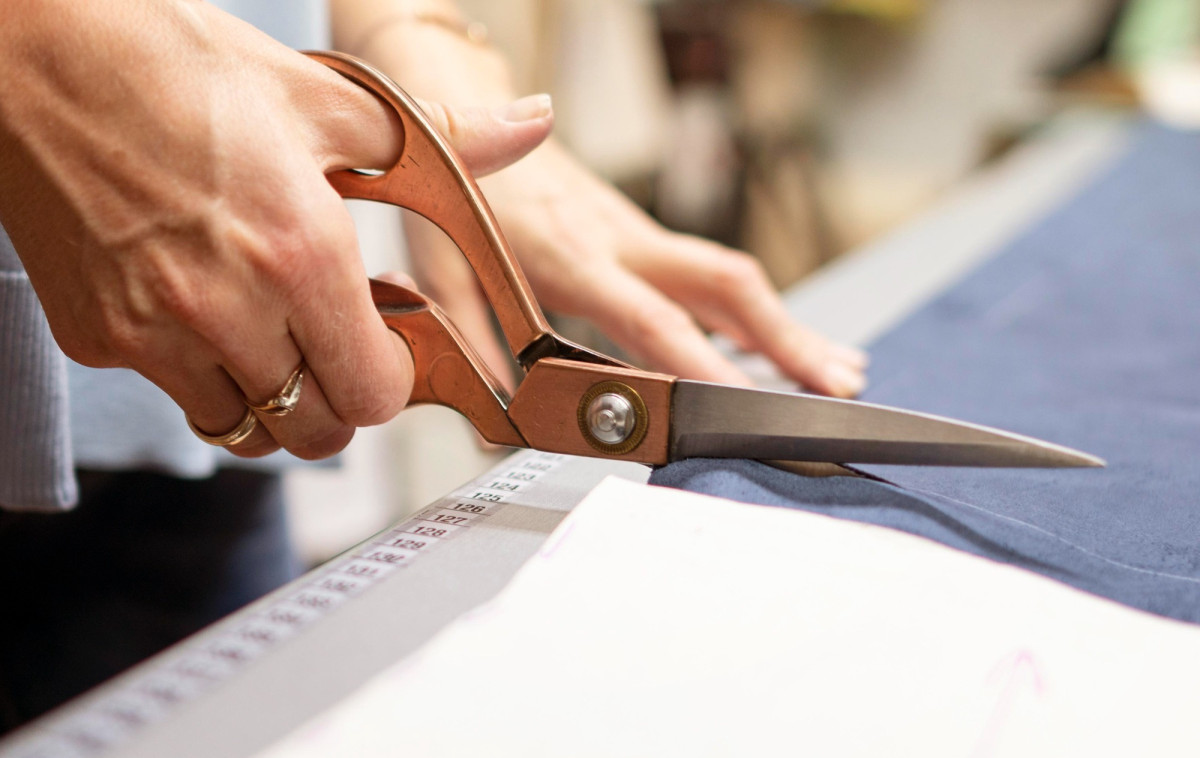
Hems are typically among the fastest alterations. When fabrics and garment designs are straightforward, these adjustments can often be completed within a relatively short timeframe. Items such as jeans, trousers, and skirts with minimal detailing usually move through the process more quickly.
Strap or Sleeve Adjustments
Sleeve and strap alterations often take slightly longer because they require symmetry checks and proper fit balancing. Sleeves on lined jackets, for example, involve additional steps compared to simple shirt sleeves. Dress straps may also require rebalancing the garment to ensure it sits correctly on the body.
Waist Alterations
Waist adjustments can be more involved than they appear. Tailors may need to open seams, reshape sections of fabric, and reinforce structural elements of the garment. When linings or structured materials are present, the time required for these alterations naturally increases.
Blue Ribbon Cleaners emphasizes that these steps should not be viewed as delays but as necessary parts of achieving a polished result. A clean hem or balanced sleeve requires patience and careful workmanship rather than rushed execution.
Why Some Alterations Take Longer Than Others
Not all alterations require the same level of effort, even when two garments appear similar. Blue Ribbon Cleaners explains that construction differences often determine how long a particular alteration will take.
Two garments might require the same adjustment, but their internal structure can make one far more labor-intensive. Much of the time difference stems from what happens inside the garment rather than what is visible on the outside.
What Increases Labor
Several factors increase the level of precision and hands-on work required during the alteration process.
Garment Construction
Garments such as lined jackets, structured dresses, and tailored pants often require partial disassembly before adjustments can begin. Internal layers must be modified before any changes can be made to the outer fabric. Once alterations are complete, the garment must then be carefully rebuilt to maintain its original structure.
Hand-Sewing Needs
Certain fabrics and finishes cannot be handled properly with machine stitching. Delicate materials frequently require hand-sewn techniques to maintain appearance and durability. Invisible hems and fine finishing details rely heavily on handwork, which adds time but results in a more refined outcome.
Fit Complexity
Alterations affecting balance, proportion, or garment drape naturally require more attention. Adjustments involving the shoulders, chest, or seat of a garment often require multiple checks during the fitting process. In some cases, test fittings are necessary before final stitching can be completed.
Blue Ribbon Cleaners notes that experienced tailors do more than simply resize fabric. They reshape how a garment fits and moves on the wearer’s body. Achieving that level of precision requires time and expertise.
Can Alterations Be Done Faster in a Rush?
Rush alteration services can be appealing when an unexpected event arises or a deadline approaches. Blue Ribbon Cleaners explains that in certain situations, alterations can be completed more quickly. However, not every garment or adjustment qualifies for accelerated service.
Whether rush service is possible depends on the complexity of the alteration as well as the current workload of the tailoring shop.
When Rush Works
Rush alterations tend to be successful when the work is straightforward and the shop has available capacity.
Simple Adjustments
Basic hems without cuffs or detailing can often be completed quickly. Strap shortening that does not require rebalancing the garment and minor waist adjustments with easily accessible seams may also qualify for faster turnaround.
Low-Volume Timing
Rush services are more likely to be available during slower weeks outside peak seasons. Early-week garment drop-offs can also help when scheduling is more flexible. Smaller shops with in-house tailoring staff may sometimes accommodate these requests more easily.
Clear Expectations
Customers requesting rush services are encouraged to communicate deadlines clearly at the beginning of the process. They should also be prepared for limited fitting opportunities and understand that additional rush fees may apply.
Blue Ribbon Cleaners cautions that complex alterations rarely respond well to being rushed. Prioritizing speed over precision can lead to issues with symmetry, comfort, or finishing quality once the garment is worn.
When to Schedule Alterations for the Best Results
Timing plays an important role in ensuring a smooth alteration experience. Blue Ribbon Cleaners explains that many frustrations related to alteration timelines stem from waiting too long to begin the process.
Starting earlier provides both the customer and the tailor with enough flexibility to handle adjustments without unnecessary pressure. Proper scheduling also tends to improve the final results.
Smart Scheduling Tips
Planning ahead does not require exact dates, but it does benefit from allowing a reasonable time buffer.
Event-Based Planning
Customers preparing for weddings, interviews, or formal occasions are encouraged to begin alterations well in advance. Early scheduling allows room for fittings and potential refinements while avoiding last-minute changes that may affect the garment’s fit.
Seasonal Awareness
Alteration timelines can vary depending on the time of year. Wedding and prom seasons often bring higher demand for tailoring services. Holiday periods may also extend turnaround times due to increased volume. Off-peak months generally provide more scheduling flexibility.
Fitting Preparation
Customers can improve the accuracy of alterations by bringing the shoes and undergarments they plan to wear with the garment. Avoiding significant weight fluctuations before final fittings can also help maintain consistent results. Confirming pickup dates before leaving the shop ensures clear expectations for both parties.
Blue Ribbon Cleaners emphasizes that early planning allows time to address unexpected issues such as fabric limitations or design constraints. In many cases, the best outcomes come from allowing enough time for fittings, adjustments, and proper finishing.
Tips for Getting the Best Results as a First-Time Customer
For individuals using garment care services for the first time, Blue Ribbon Cleaners recommends focusing on clear communication. Laundry and garment care providers typically follow standard procedures unless customers specify particular preferences.
Communicate Your Preferences Up Front
Sharing care preferences early helps service teams handle garments exactly as customers expect. Once preferences are documented, many services can apply them automatically to future orders, creating a smoother and more consistent experience.
Customers may wish to communicate details such as detergent sensitivities, fragrance preferences, or whether fabric softener should be used. They can also specify whether items should be folded or hung, or if certain garments should be washed separately or handled with extra care.
Begin with Standard Items
Blue Ribbon Cleaners also suggests that new customers begin by sending everyday clothing items. Shirts, socks, and casual garments allow customers to evaluate service quality without risking delicate or specialty pieces.
After seeing how items are handled and returned, customers typically feel more confident trusting the service with more sensitive garments.

Get the Fit You Want with Expert Alterations from Blue Ribbon Cleaners
Blue Ribbon Cleaners emphasizes that understanding how long clothing alterations take allows customers to plan more effectively. Whether preparing garments for work, special occasions, or everyday comfort, professional tailoring plays a key role in achieving the right fit.
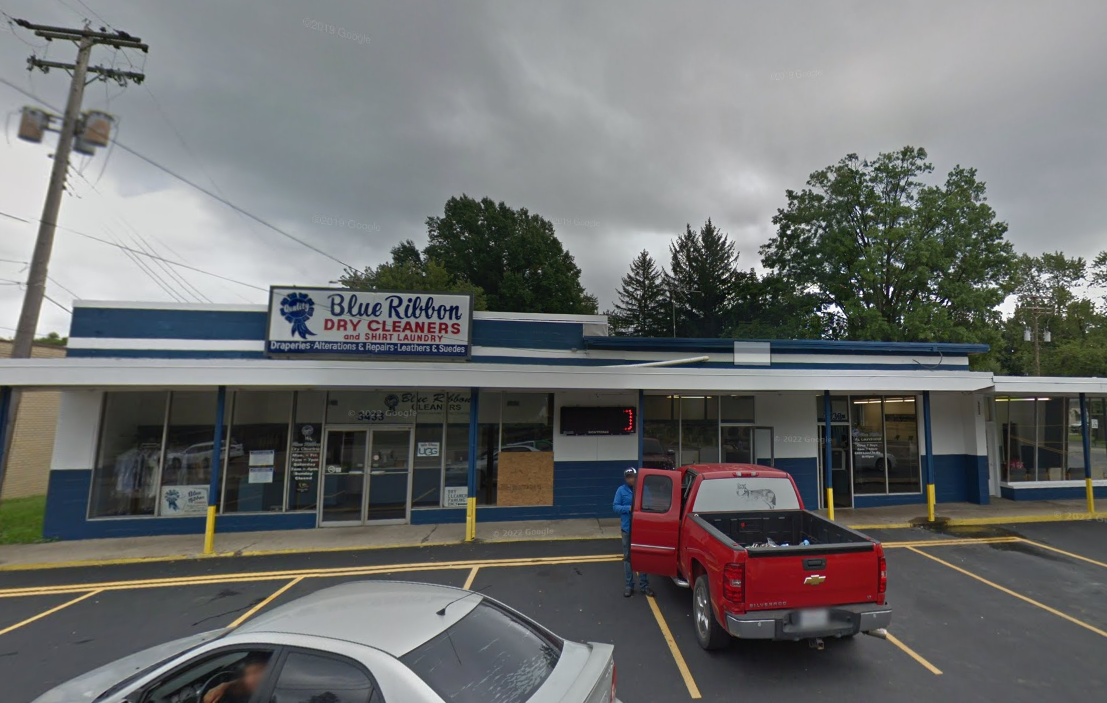
Serving customers in Youngstown and Warren, Blue Ribbon Cleaners provides professional alterations and full garment care services performed on site. The company handles everything from simple adjustments and zipper repairs to complete garment reshaping, with each piece treated with careful attention and craftsmanship.
Customers whose clothing no longer fits as it once did are encouraged to contact Blue Ribbon Cleaners for assistance. The company invites customers to call (330) 366-1480, visit its Youngstown location, or request its free pickup and delivery service to experience professional alterations and garment care designed to help them feel confident, comfortable, and well-dressed.
Contact Information:
Blue Ribbon Cleaners
3433 Belmont Ave
Youngstown, OH 44505
United States
Thayne Albrecht
(330) 759-9618
https://www.blueribbonohio.com/


Original Source: https://www.blueribbonohio.com/how-long-clothing-alterations-usually-take/