
Key Takeaways
- Eco-friendly mosquito control combines standing water removal, biological agents like Bti, plant-based sprays, repellent landscaping, and chemical-free traps to reduce mosquito populations safely
- Removing standing water around a property is considered one of the most effective ways to stop mosquitoes from breeding in the first place
- Integrated Pest Management blends prevention, habitat changes, and targeted treatments only when needed, cutting down on unnecessary chemical use
- Curious how biological controls like Bti actually work against mosquito larvae? That answer, along with four other proven methods, is covered below
- Working with pest professionals such as Connor’s Pest Pros can help homeowners identify hidden breeding sites that DIY efforts often miss
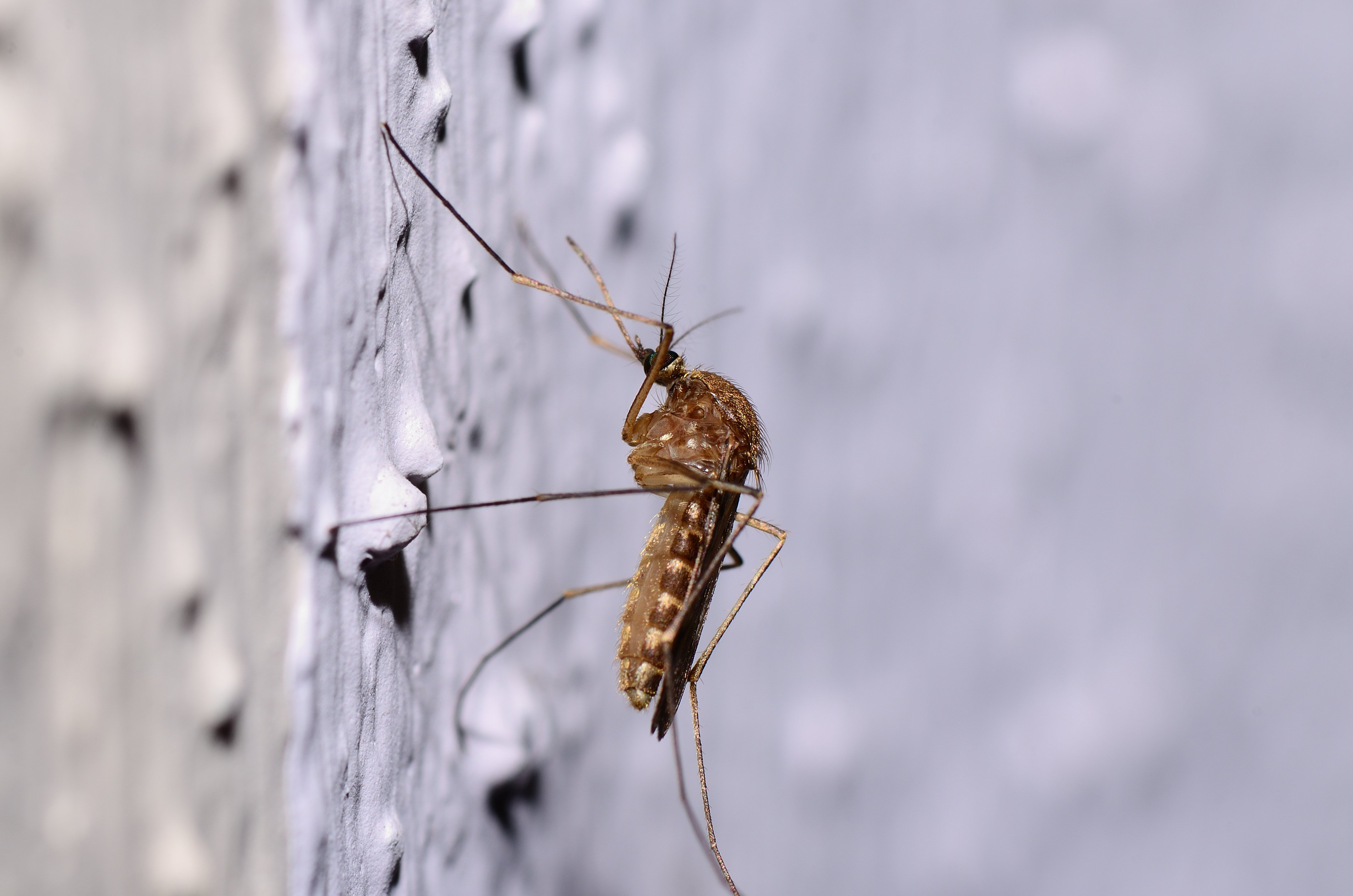
Backyard barbecues, evening walks, and quiet porch time all get interrupted the moment mosquitoes show up. Beyond the itchy bites, these pests carry real health risks, which is why so many homeowners are looking for ways to fight back without dousing their yards in harsh chemicals. The experts at Connor’s Pest Pros, catering to clients in Sterling and surrounding Northern Virginia areas, have compiled a guide that breaks down five eco-friendly mosquito control methods that pest professionals like them rely on, giving families a safer path to a bite-free backyard.
Why Mosquitoes Are More Than Annoying
A mosquito bite causes more than an itchy welt. Mosquitoes can transmit serious diseases and viruses such as malaria, dengue virus, Zika, and West Nile virus, illnesses that can lead to disabling and even deadly complications. The EPA notes that these insects also spread heartworm in dogs and Eastern Equine Encephalitis in horses, meaning the risk extends well beyond the human members of a household.
Female mosquitoes lay their eggs in standing water, and the list of potential breeding sites is longer than most people realize. Tree holes, old tires, buckets, toys, clogged gutters, and even a bottle cap holding a few drops of rainwater can become a nursery for the next generation of biting insects. Because mosquitoes reproduce so quickly and in such small amounts of water, a single overlooked container can undo weeks of control efforts.
Why Go Green Against Mosquitoes
Concern over synthetic pesticides has pushed many homeowners toward greener options, largely because of worries about how repeated chemical exposure might affect pollinators, pets, and people. Eco-friendly mosquito control focuses on prevention, habitat management, and targeted solutions rather than blanket spraying, which tends to deliver more consistent, longer-lasting results.
Reducing reliance on synthetic chemicals also helps prevent mosquitoes from building resistance over time, a problem that can make future treatments less effective. Green methods tend to preserve helpful predators such as dragonflies, birds, and bats, which naturally keep mosquito numbers in check. Going green is safer for a family’s immediate environment while also supporting a healthier balance in the yard for seasons to come.
5 Eco-Friendly Control Methods
Pest professionals rarely rely on a single tactic. Instead, they layer several eco-friendly approaches together, adjusting the mix to a property’s specific breeding sites and mosquito pressure.
Eliminating Standing Water Sources
Removing standing water is widely considered the single most effective step in mosquito control, since it strikes at the source of the problem rather than reacting after mosquitoes have already hatched. A thorough walk-through of a property should check for water collecting in the following spots:
- Clogged gutters and downspouts
- Plant saucers, buckets, and unused planters
- Old tires, tarps, or children’s toys left outdoors
- Birdbaths and pet water bowls that go unchanged for several days
- Low spots in the yard where rainwater pools
Even a small amount of water sitting for several days can support a new mosquito generation, so checking these areas weekly during warmer months makes a meaningful difference.
Biological Controls Like Bti and Predators
Biological control introduces natural organisms or bacteria that target mosquito larvae without harming other wildlife. Bacillus thuringiensis israelensis, commonly known as Bti, is a naturally occurring soil bacterium often sold in “mosquito dunk” form; it is specific to mosquito larvae, meaning it does not harm bees, fish, or pets when used as directed.
Beyond Bti, natural predators play a valuable role in keeping mosquito populations balanced. Certain fish species, along with dragonflies, birds, and bats, feed on mosquitoes at various life stages, and encouraging their presence through habitat-friendly landscaping can reduce the need for repeated treatments. Ponds, rain gardens, and other water features benefit from stocking mosquito-eating fish, which naturally patrol the water for larvae.
Essential Oil and Plant-Based Sprays
Plant-based sprays offer a chemical-conscious alternative to synthetic insecticides. Formulations built around rosemary oil, peppermint oil, geraniol, and citronella oil are commonly used by pest professionals seeking a gentler option for yards frequented by children and pets. Oil of lemon eucalyptus, an EPA-registered natural repellent ingredient, can provide protection against mosquitoes and ticks for several hours, making it a practical choice for personal use alongside yard treatments.
These botanical products tend to biodegrade quickly and avoid the residue concerns that come with some synthetic sprays. They work best as part of a rotation with other methods, since natural oils generally need more frequent reapplication than long-lasting synthetic treatments.
Mosquito-Repelling Landscaping
Landscaping choices can either invite mosquitoes in or help keep them away. Certain plants are known to naturally repel mosquitoes when planted around patios, entryways, and garden beds, including:
- Citronella grass
- Marigolds
- Lavender
- Rosemary
- Peppermint
- Basil
- Lemon eucalyptus
Beyond plant selection, routine yard maintenance matters just as much. Trimming overgrown bushes, mowing the lawn on a regular schedule, and improving airflow through dense plantings all make a yard less hospitable to resting mosquitoes, since these insects prefer shady, still, humid spots to wait out the heat of the day.
Chemical-Free Traps and Habitat Modification
Mosquito traps that lure and capture insects without releasing chemicals into the air offer another layer of protection. These devices typically use heat, light, or carbon dioxide to mimic a human or animal host, drawing mosquitoes in before they can bite anyone in the yard.
Habitat modification rounds out this method by addressing the physical features of a property that support mosquito life cycles. Simple adjustments, such as improving drainage in low-lying areas, screening rain barrels, and keeping compost bins covered, remove resting and breeding opportunities that traps and sprays alone cannot fully solve.
Integrated Pest Management Explained
Integrated Pest Management, or IPM, is a science-based, common-sense approach for managing pests and vectors such as mosquitoes. It uses a variety of pest management techniques focused on preventing infestations, reducing existing populations, and eliminating the conditions that let mosquitoes thrive, rather than depending on any single tool.
A typical IPM program for a residential property might include an inspection to locate resting and breeding sites, followed by source reduction efforts like removing standing water, then targeted larvicide or adulticide applications only where surveillance shows mosquito activity remains high. This layered approach explains why many pest professionals favor IPM over one-size-fits-all spraying schedules; it treats the yard as a system rather than a series of isolated problems.
Professional Help vs. DIY Efforts
Homeowners often start with DIY solutions, picking up store-bought sprays or setting out citronella candles for a weekend gathering. These efforts can offer short-term relief, but they usually require frequent reapplication and rarely address hidden breeding sites tucked away in gutters or under decks.
Professional mosquito control services bring a few distinct advantages to the table:
- Training to identify breeding areas that are easy to overlook, such as tree holes or drainage ditches
- Targeted treatments that focus resources where they matter most instead of blanket spraying
- Treatments that often provide months of protection per application, unlike DIY products that may need reapplying every few weeks
- Lower long-term costs, since fewer repeat purchases and applications add up over time compared with ongoing DIY attempts
Choosing between DIY and professional help often comes down to how much time a homeowner wants to spend managing the problem versus paying for expertise that delivers more consistent, longer-lasting results.
Safer Yards Start with Prevention
Consistent prevention beats reactive treatment for mosquito control, every time. A yard checked weekly for standing water, paired with mosquito-repelling landscaping and the occasional biological treatment, stays far more comfortable throughout the warmer months than one treated only after mosquitoes have already become a nuisance.
Building these habits into a regular seasonal routine, rather than waiting for a bad bite or a backyard event gone wrong, keeps both the yard and the people who use it safer over the long run. For homeowners ready to put these habits into practice, working with pest control professionals who understand local mosquito pressures can turn an overwhelming task into a manageable, season-long plan.
Connor’s Pest Pros
5410 Port Royal Rd
Springfield
VA
22151
United States


