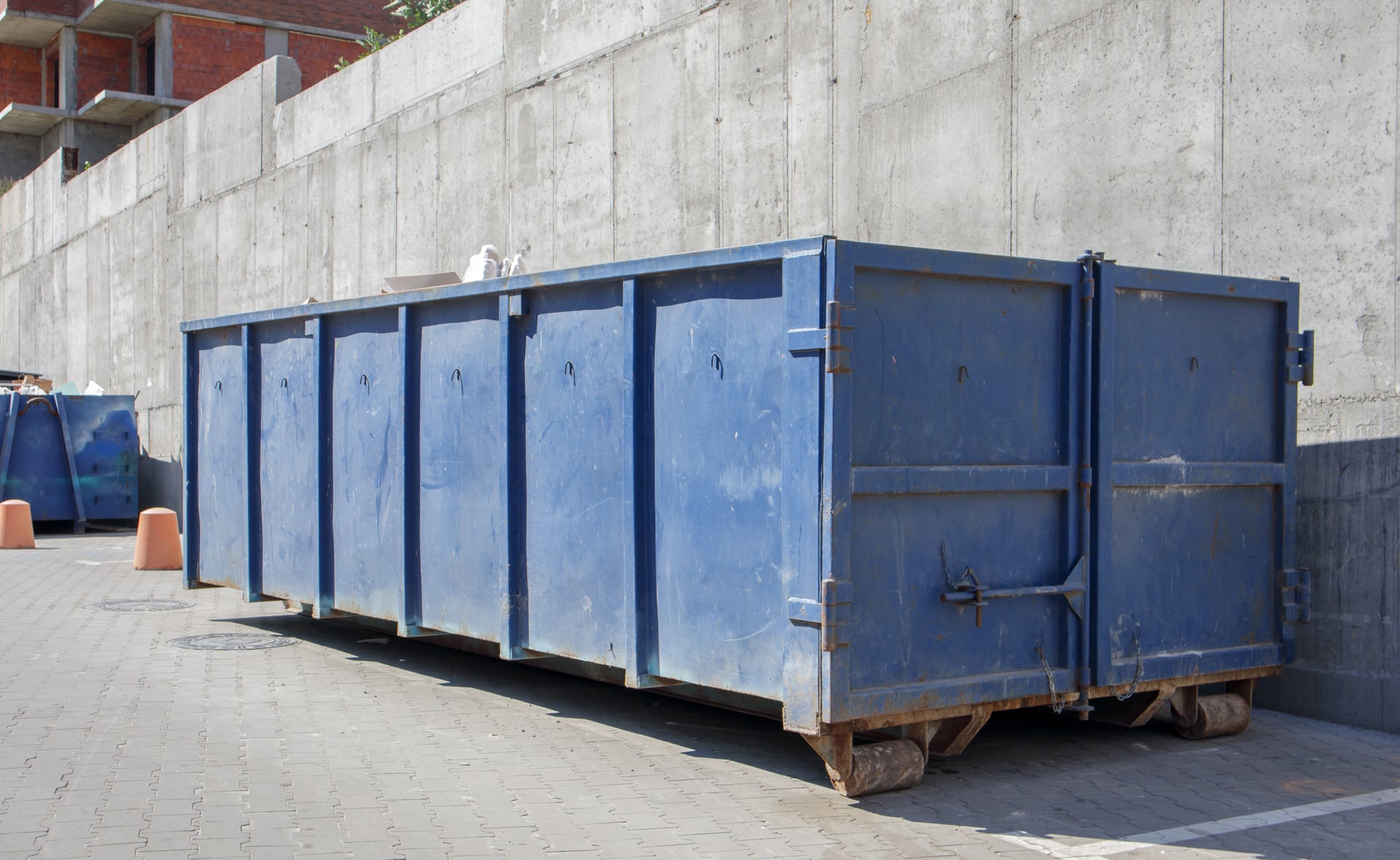
Dumpster rental costs vary dramatically based on size, location, and rental duration. Weekly rentals typically range from $200-$900, with the national average around $385. For perspective, a 10-yard dumpster averages $250-$500 weekly, while a 20-yard container costs $300-$700 per week. Monthly rentals command higher upfront costs at $500-$1,200, but offer significant per-day savings for extended projects.
Location plays a crucial role in pricing, with urban areas and regions with high landfill tipping fees driving costs up substantially. Rural areas typically see lower costs. The type of debris also affects pricing—heavy materials like concrete trigger weight-based surcharges that can significantly increase disposal costs.
Why Monthly Rentals Beat Weekly for Extended Projects
The Real Savings: 4 Weekly Rentals vs 1 Monthly
The math on extended rentals strongly favors monthly contracts over repeated weekly bookings. Four consecutive weekly rentals can cost $880-$3,120, while comparable monthly rentals range from $500-$1,200—representing potential savings of $380-$1,920. This dramatic cost difference stems from reduced delivery and pickup fees, which rental companies typically charge for unsuccessful delivery or pickup attempts.
Consider a hypothetical kitchen renovation project that demonstrates these savings. A homeowner initially planned two weekly rentals at $400 each but switched to a monthly contract at $650, saving $150 in delivery fees alone. Beyond direct cost savings, monthly rentals eliminate the stress of coordinating multiple deliveries and pickups during busy renovation periods.
Extended Timeline Flexibility Benefits
Monthly rentals offer critical timeline flexibility that weekly contracts simply cannot match. Home renovation projects frequently encounter delays—permit issues, weather problems, contractor scheduling conflicts, or unexpected structural discoveries. Weekly rentals create pressure to rush project phases or face expensive extension fees that typically range $10-$25 per day.
With monthly contracts, homeowners can work at a comfortable pace without constant deadline pressure. This flexibility often leads to better project outcomes, as contractors can prioritize quality over speed. The extended timeline also allows for efficient debris sorting and disposal, potentially reducing contamination fees and overweight charges.
Dumpster Size vs Cost Analysis for Homeowners
10-Yard: $250-$500 Weekly (Est. $500-$800 Monthly)
The 10-yard dumpster represents the entry-level option for homeowners, with dimensions that vary by provider but typically measure around 3-4 feet tall, 7-8 feet wide, and 10-12 feet long. This compact size holds roughly three pickup truck loads of debris, making it ideal for small-scale projects like basement cleanouts, garage decluttering, or bathroom remodels. Weekly costs range from $250-$500, while monthly rentals typically cost $500-$800.
Weight capacity typically ranges from 2-3 tons, sufficient for household items and light construction debris but inadequate for heavy materials like concrete or roofing shingles. Homeowners should consider debris density when selecting this size to avoid costly overweight charges.
15-Yard: Ideal for Small Bathroom/Kitchen Remodels
The 15-yard dumpster strikes an optimal balance between capacity and cost for mid-sized residential projects. With dimensions that vary by provider but typically measure around 4-5 feet tall, 7-8 feet wide, and 12-14 feet long, it holds approximately 4.5 pickup truck loads of debris. This size perfectly accommodates small bathroom or kitchen remodels, flooring replacements, or attic cleanouts where moderate amounts of construction debris require disposal.
Cost-effectiveness makes the 15-yard container particularly attractive. The price increase over 10-yard units (typically 15-20%) provides roughly 50% more capacity, delivering excellent value per cubic yard. Even if projects fill the container early and require swap-out services, the economics often favor the 15-yard size over larger alternatives.
20-Yard: Most Popular Size for Home Renovations
The 20-yard dumpster represents the sweet spot for most home renovation projects, explaining its popularity among homeowners and contractors. With dimensions that vary by provider but typically measure around 5-6 feet tall, 7-8 feet wide, and 14-16 feet long, it accommodates approximately six pickup truck loads of mixed debris. Weekly rentals cost $300-$700, while monthly contracts range from $700-$1,000.
This size handles major renovation projects, including kitchen remodels, small roofing jobs, basement finishing, or whole-room renovations. The 20-yard capacity accommodates mixed debris types—from drywall and lumber to appliances and fixtures—making it versatile for multi-phase projects where debris composition varies.
Why Bigger Dumpsters Don’t Always Hold More Weight
A common misconception among homeowners is that larger dumpsters automatically handle more weight. While bigger containers offer more volume, weight limits often remain similar across sizes due to transportation safety regulations and truck capacity constraints. A 40-yard dumpster might not accept significantly more tonnage than a 20-yard container, despite double the volume capacity.
This weight limitation means dense materials like concrete, brick, or roofing shingles require smaller containers regardless of volume needs. A 10-yard container might reach its weight limit with concrete while still appearing half-empty. Understanding this distinction helps homeowners avoid paying for unused volume capacity.
Hidden Fees That Kill Your Budget
1. Overweight Charges: $40-$200 Per Extra Ton
Overweight charges represent the most common budget-killing surprise in dumpster rentals. These fees typically range from $40-$200 per extra ton and can significantly increase total rental costs. Weight limits vary by container size and rental company, with typical allowances ranging from 2-6 tons depending on the dumpster size and debris type.
Heavy materials like concrete, brick, asphalt shingles, or dirt create the highest risk for overweight violations. A seemingly modest bathroom remodel involving tile and concrete removal can easily exceed weight limits despite appearing to have ample space remaining. Smart homeowners discuss debris types upfront with rental companies to establish realistic weight expectations.
Avoiding overweight charges requires accurate project planning and debris estimation. Separating heavy materials for specialized disposal or choosing appropriately sized containers based on weight rather than volume prevents costly surprises. Some companies offer flat-rate pricing that includes generous weight allowances, providing more predictable costs.
2. Prohibited Items and Contamination Fines
Contamination fines occur when prohibited items mix with acceptable debris, potentially resulting in entire loads being rejected at disposal facilities. Common prohibited items include hazardous waste, tires, batteries, paint, chemicals, and certain appliances containing refrigerants. Contamination fees can significantly impact your total rental cost depending on the severity and disposal facility requirements.
Even innocent mistakes can trigger contamination charges. A single paint can mixed with construction debris might contaminate the entire load, requiring special handling and disposal. Homeowners should request detailed prohibited items lists and post them prominently near the dumpster to prevent accidental contamination by family members or contractors.
Some items require special disposal but may be accepted for additional fees. Appliances, mattresses, and tires often fall into this category. Discussing these items upfront allows rental companies to arrange proper disposal channels and transparent pricing rather than surprise fees after pickup.
3. Trip Fees and Permit Requirements
Trip fees, also called dry run charges, occur when delivery or pickup cannot be completed due to access issues, typically costing $50-$100 per occurrence. Common causes include blocked driveways, vehicles parked in placement areas, low-hanging branches, or insufficient clearance for delivery trucks. These fees are entirely preventable with proper site preparation.
Permit requirements add another layer of potential costs when placing dumpsters on public property like streets or sidewalks. Permit fees range from $10-$100 depending on municipality and duration, with some cities requiring advance applications and inspection processes. Private property placement typically avoids permit requirements but may require surface protection to prevent damage.
Clear communication with rental companies about placement locations, access requirements, and permit needs prevents these surprise charges. Site inspections before delivery can identify potential issues and allow for alternative placement strategies or necessary preparations.
Strategies to Slash Rental Costs
1. Calculate Your Debris Volume Accurately
Accurate debris volume calculation prevents both oversized container costs and expensive swap-out fees. Start by measuring the space containing items for disposal and estimating density. Renovation debris often takes up more space than its original form due to awkward shapes and air gaps.
Room-by-room calculations provide more accurate estimates than guessing overall volumes. Kitchen and bathroom remodels generate varying amounts of debris depending on the scope of work. Adding 20-30% buffer prevents underestimating capacity needs while avoiding significant oversizing.
2. Compare Flat-Rate vs Variable Pricing Models
Understanding pricing models significantly impacts total rental costs. Flat-rate pricing includes delivery, pickup, disposal fees, and weight allowances in a single upfront price. Variable pricing starts with lower base rates but adds charges for individual services, potentially resulting in higher total costs and budget uncertainty.
Flat-rate models provide predictable costs ideal for budget planning, while variable pricing might offer savings for straightforward projects with light debris loads. However, variable pricing creates risk exposure to unexpected charges that can substantially exceed flat-rate alternatives. Careful comparison requires requesting detailed breakdowns of all potential charges.
3. Time Your Rental to Avoid Extensions
Strategic rental timing minimizes extension fees while ensuring adequate project duration. Most rentals include 7-10 day periods, with extensions costing $10-25 daily. Planning rental delivery to coincide with peak debris generation phases maximizes the included period while reducing extension needs.
Coordination with contractors and project schedules prevents gaps between debris generation and container availability. Scheduling delivery for demolition phases or major material removals ensures immediate capacity when needed most. Early delivery for gradual loading often results in unnecessary rental days and extension fees.
Buffer time should account for potential project delays while avoiding excessive early rental periods. Weather delays, permit issues, or contractor scheduling problems frequently extend project timelines beyond initial estimates. Building modest flexibility into rental schedules prevents rush decisions that often lead to poor size selection or timing choices.
Transparent Monthly Pricing for Your Next Project
Understanding the true cost differences, size requirements, and potential fees helps homeowners make informed decisions that protect both budgets and project timelines.
The right dumpster size and rental length depend on your project scope, debris type, and timeline. For extended renovations, monthly contracts often make more financial sense — and understanding weight limits and potential surcharges upfront can prevent the most common budgeting mistakes.
GrimeTime Dumpster Rentals
4812 N Interstate Hwy 35, Suite B
Austin
Texas
78751
United States


