Fuel has always been a standard line item in warehouse operations. But lately, that line item is demanding attention. As oil prices trend higher, the sticker shock of running propane and diesel-powered equipment is hitting distribution networks where it hurts: the operating margin.
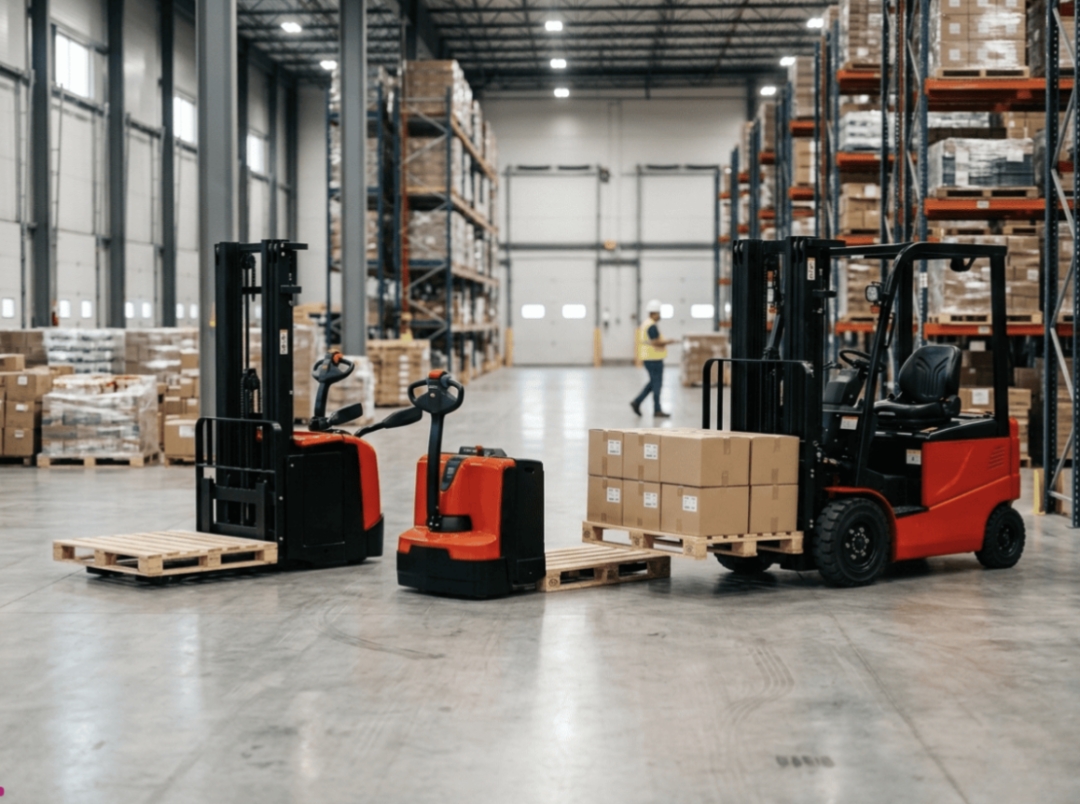
The Shift Toward Stability
In logistics, equipment like forklifts, pallet jacks, and lift systems run ten-to-twelve-hour shifts. When fuel prices rise, the cost of every moved pallet rises with it. For companies already squeezing every penny out of tight margins, that kind of volatility is a planning nightmare.
However, a shift in strategy is brewing. What used to be a long-term sustainability goal is now financial self-defense. Operators are no longer looking at electric equipment as just a green” initiative. They’re seeing it as a way to lock in predictable energy costs and eliminate the erratic swings of the oil market.
Fuel Volatility is Forcing a Warehouse Re-Think
This is why the math on electric equipment is starting to win people over. Electricity is not immune to price changes, but it is typically more stable and easier to forecast. For operators, the shift to electric is less about sustainability and more about planning. Predictable energy costs make budgeting simpler and reduce exposure to daily fuel price swings.
Basically, operators are tired of gambling on oil just to keep their forklifts moving. Switching to electric systems lets them take the guesswork out of the budget. For many businesses, that predictability is the best reason they have to finally retire their diesel fleets.
Pallet Jacks as the Entry Point
Most operators don’t overhaul an entire fleet at once. They start with pallet jacks. The cost is lower, and they are easier to drop into an existing workflow than a full forklift. You see them everywhere, from retail backrooms to mid-sized distribution centers.
Raelon has leaned into that entry point. The company carries smaller like electric pallet jacks that are suited for delivery trucks and tight spaces, along with heavier models built for constant movement on warehouse floors.
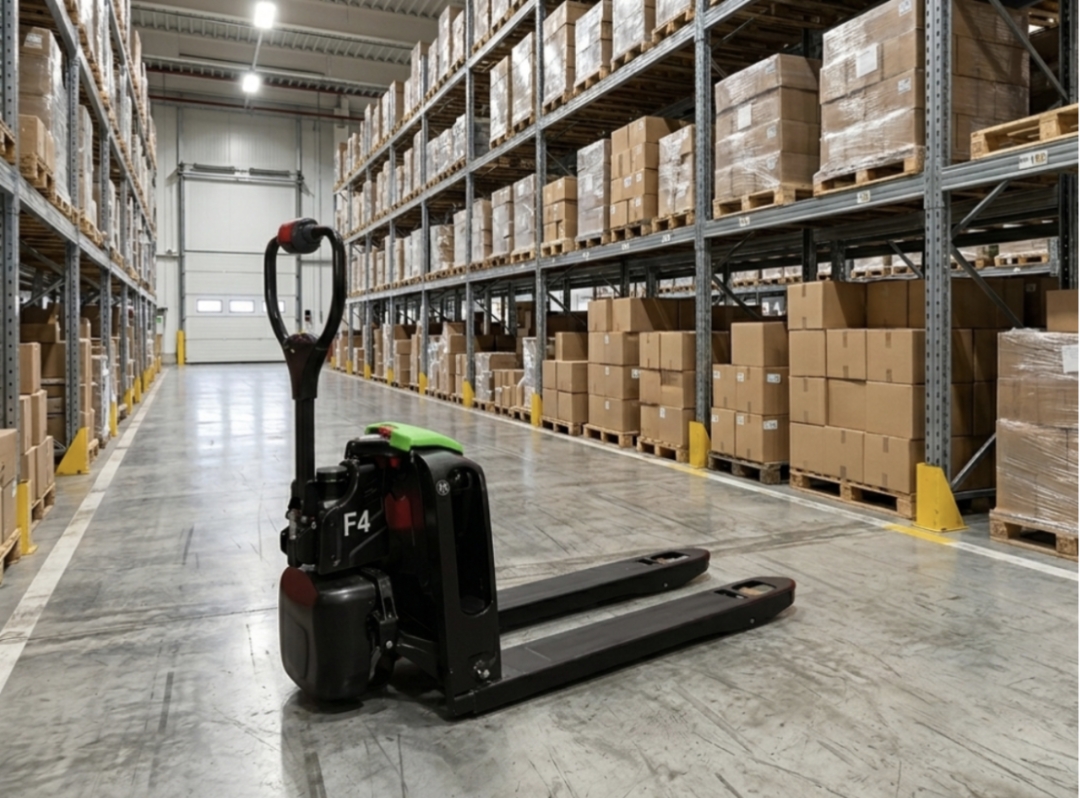
At the same time, the equipment itself is evolving. Some models now use dual battery systems, which allow crews to swap batteries instead of waiting through a full charge cycle. In a busy facility, that can be the difference between steady output and unnecessary downtime.
Expanding Into Vertical and High Density Operations
The shift is also happening deeper in the warehouse. Layouts are getting tighter and aisle space is shrinking so operators are relying more on electric forklifts and stackers. They’re easier to control in confined areas and better suited for navigating dense racking without damage.
In these stacked environments, the advantage is practical. Electric units run more consistently and require less maintenance downtime. As facilities strive to push more volume through the same space, that reliability is necessary.
Service and Support Define the Total Cost
The hardware is only the first step. The real test is the support behind it. An energy-efficient forklift is a net loss if it sits idle for weeks waiting on a part. Raelon avoids the long lead times common with specialized gear by stocking a massive inventory of batteries, chargers, and wheels ready for immediate shipping.
Fast shipping is only part of the fix because service has to be local. A manager needs a technician down the street who can fix a break that afternoon, not a corporate office in another time zone. To meet this, Raelon is building out a North American dealer network. These regional partnerships allow the company to scale while providing the boots-on-the-ground support that keeps fleets from reverting to propane.
Adoption Moves Beyond the Warehouse
While logistics firms are the main buyers, specific industries are moving toward electric for practical reasons that go beyond the fuel bill. Cold storage facilities in the food and beverage industry were among the first to switch. Because electric motors do not produce exhaust, these companies can avoid the massive costs associated with air filtration and ventilation in a refrigerated environment.
Retailers and grocery chains are also moving in this direction. In those environments, equipment has to work in tight spaces often near customers, making quiet operation and maneuverability more important than raw power. Even the construction industry is starting to see a gradual shift. While the move is slower on heavy job sites, electric machines are becoming the standard for indoor or mixed-use projects where air quality is a major concern.
Across all these sectors, the motivation is the same. Businesses are looking for a way to keep their output steady while removing the variables that come with traditional fuel.
Lithium Ion Adoption Becomes A Hedge Against Volatile Energy Markets
The move to electric isn’t happening at the same speed everywhere, but the direction is clear. Rising fuel costs and the need for predictable budgets are forcing companies to rethink their fleets.
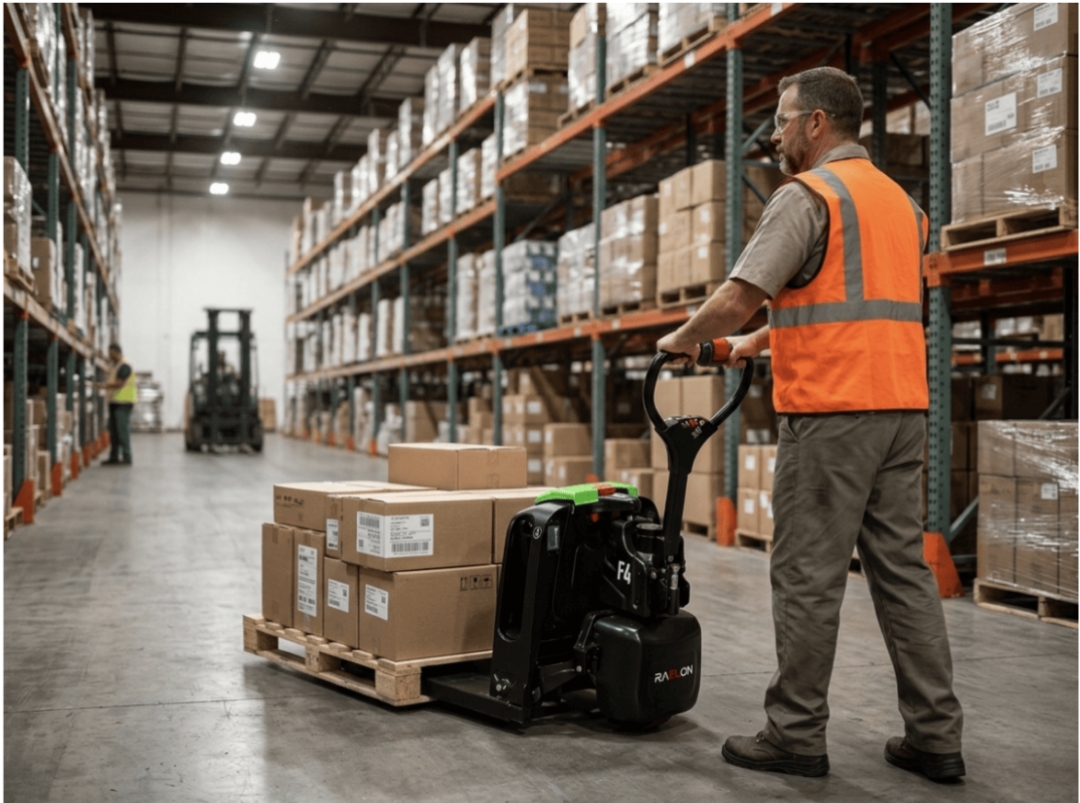
For suppliers like Raelon, the math comes down to simple economics. As long as gas prices are all over the place and warehouse uptime is the priority, switching to lithium-ion is a financial decision rather than a green one.
Media Contact
Company Name: Raelon
Email: Send Email
Country: Canada
Website: https://raelon.ca/
Press Release Distributed by ABNewswire.com
To view the original version on ABNewswire visit: Pain at the Pump: Why Warehouses are Ditching Diesel to Protect the Bottom Line
